


Chermside Researchers Test Breath-Based Method For Earlier Silicosis Detection

Researchers at The Prince Charles Hospital in Chermside are investigating whether a simple breathing test could help detect silicosis before the disease causes permanent damage to workers’ lungs.


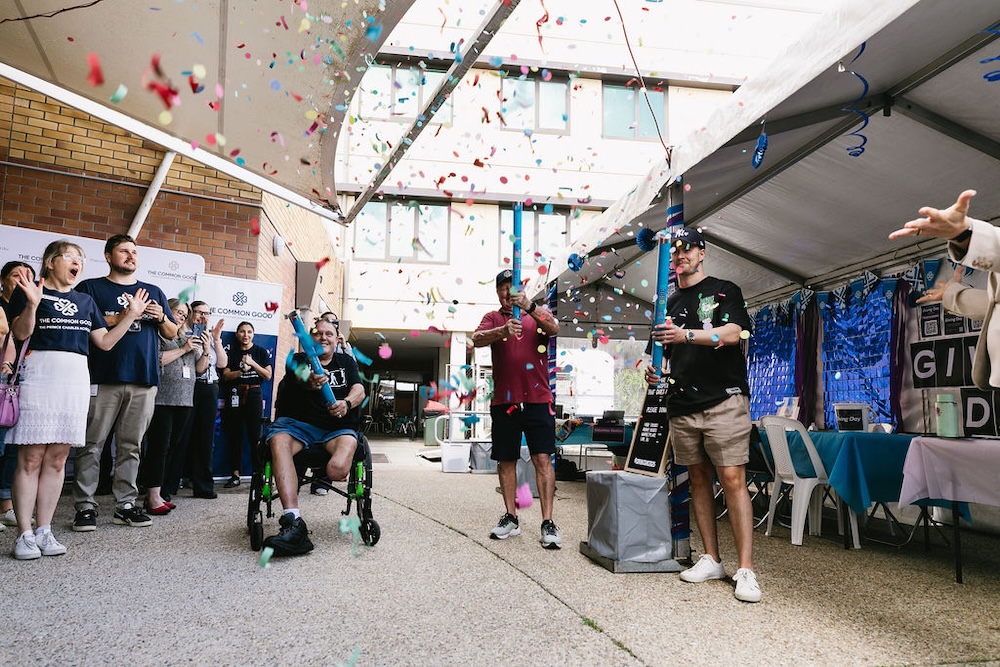
The world-first research is using technology known as PExA, or Particles in Exhaled Air, to collect tiny particles that people naturally breathe out from deep inside their lungs.

Researchers are studying those particles for early signs of silicosis, an incurable lung disease caused by breathing in fine silica dust. The aim is to determine whether changes linked to the disease can be picked up before serious and irreversible lung scarring develops.

Prince Charles Hospital Research Focuses On Earlier Warning Signs

Silicosis is most commonly associated with occupations including construction, mining, tunnelling and stonemasonry.

Silica is found in materials such as soil, sand, natural rock, concrete, tiles and engineered stone. Cutting, drilling or grinding these materials can release fine dust that workers may breathe into their lungs.

Over time, the dust can cause inflammation and scarring. Symptoms can include shortness of breath, a persistent cough, fatigue and chest pain or tightness, while silicosis can also increase the risk of lung infections.

Around 600,000 Australians are believed to be exposed to silica dust at work each year.

One challenge for researchers is finding the disease before permanent damage has occurred. Silicosis is frequently diagnosed only after substantial and irreversible lung scarring has developed.

The Chermside study is examining whether particles collected during a breathing test could provide an earlier warning.

Researchers are comparing the breath samples with blood samples and material collected through a more invasive lung procedure. Samples from people with silicosis are also being compared with those from healthy volunteers as researchers look for differences associated with the disease.

Metro North Health
Photo Credit: Metro North Health

Research Builds On PExA Work Started In 2024

PExA technology was first introduced to Australia in 2024 through research supported by The Prince Charles Hospital Foundation.

Until now, researchers have relied on a machine on loan from Sweden. Industry investment is enabling the purchase of Australia’s first dedicated PExA machine so the research program can continue and expand.

Construction company CPB Contractors has contributed $300,000 over three years towards the next phase of the work.

The research is supported through the Foundation’s Tradie Health Institute, established in 2018 to focus on the health of workers in trade, mining and agriculture.

The wider program also includes research into preventing occupational lung disease, understanding how silicosis develops and investigating possible treatments.

Chermside Team Looks Towards Workplace Testing

Researchers hope the work could eventually lead to a portable form of lung screening that could be taken to high-risk workplaces.

Such a system could potentially allow workers to be monitored before symptoms appear rather than waiting until lung damage becomes more advanced.


The technology is still being investigated and is not yet a routine screening or diagnostic test. Further research and validation will be needed before it could be used in regular clinical care.

Published 13-August-2026

Queensland Healthcare Workers Push To Scrap Hospital Parking Fees

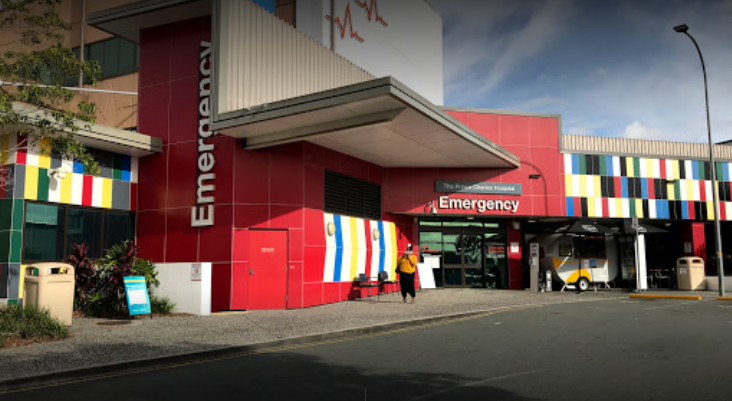
A Queensland parliamentary petition calling for free or heavily subsidised parking for public hospital staff has put the cost of getting to work under the spotlight, with The Prince Charles Hospital in Chermside among the facilities named in the campaign.


Read: The Prince Charles Hospital Expansion Moves Ahead in Chermside


Petition No. 4633-26, titled Abolish paid parking fees for Queensland Public Hospital healthcare staff, raises concerns about the financial strain and safety risks associated with workplace parking fees for doctors, registrars, nurses, paramedics, and allied health workers.

The petition stated that healthcare workers at hospitals across Queensland, including The Prince Charles Hospital, can be required to pay up to $1,700 a year to park at work. It argues the expense places an unreasonable financial burden on essential workers during the cost-of-living crisis.

Photo credit: Google Maps/The Prince Charles Hospital

The issue has a direct connection to Chermside. Parking at The Prince Charles Hospital costs $13 a day, or $65 for a working week, according to figures published by the Together union in May. The same figures stated that visitors at the Royal Brisbane and Women’s Hospital pay $48 for more than three hours.

For staff who regularly drive to The Prince Charles Hospital, that daily charge represents an ongoing out-of-pocket expense. The petition’s broader argument is that hospital workers should not have to absorb substantial parking costs simply as a condition of attending their workplace.

Safety concerns for shift workers

Photo credit: Google Maps/Luke

The financial argument is only part of the campaign. Petitioners have also raised concerns about the safety of staff working shifts that begin early or finish late at night. The petition argued that public transport is not always a viable or safe alternative for workers finishing after services have ceased.

Campaigners have separately claimed that some hospital employees park further away to avoid parking fees before walking back to their cars after late or overnight shifts. Those claims form part of the campaign for changes to hospital parking arrangements and should not be taken as evidence that every worker at The Prince Charles Hospital faces the same circumstances.

The issue has already been raised outside the hospital itself. On May 13, health workers held a lunchtime rally near Rode Road in Chermside, close to The Prince Charles Hospital, calling for an end to hospital parking fees. The Together union said workers and patients were dealing with rising costs for groceries, fuel and housing while also being charged to park at hospital sites.

Photo credit: Google Maps/Andres Diaz

The petition is asking Queensland Parliament to review parking policies across public hospitals, reverse recent increases in staff parking fees and consider free or heavily subsidised parking for frontline employees.

For Chermside hospital workers, however, the debate is more immediate. A $13 daily parking charge may look modest in isolation, but repeated across regular shifts it becomes another cost attached to simply getting to work.


Read: What the Hospital Rescue Plan Means for Prince Charles Hospital


The petition remains open until October 26, giving Queensland residents more time to add their names before it proceeds through the parliamentary petition process.

The debate now centres on whether parking at public hospitals should remain an expense carried by healthcare workers, or whether staff providing essential services should receive greater financial relief.

Published 12-August-2026

Game Day Risks: The Winter Sports Injuries Doctors Want Parents To Know About

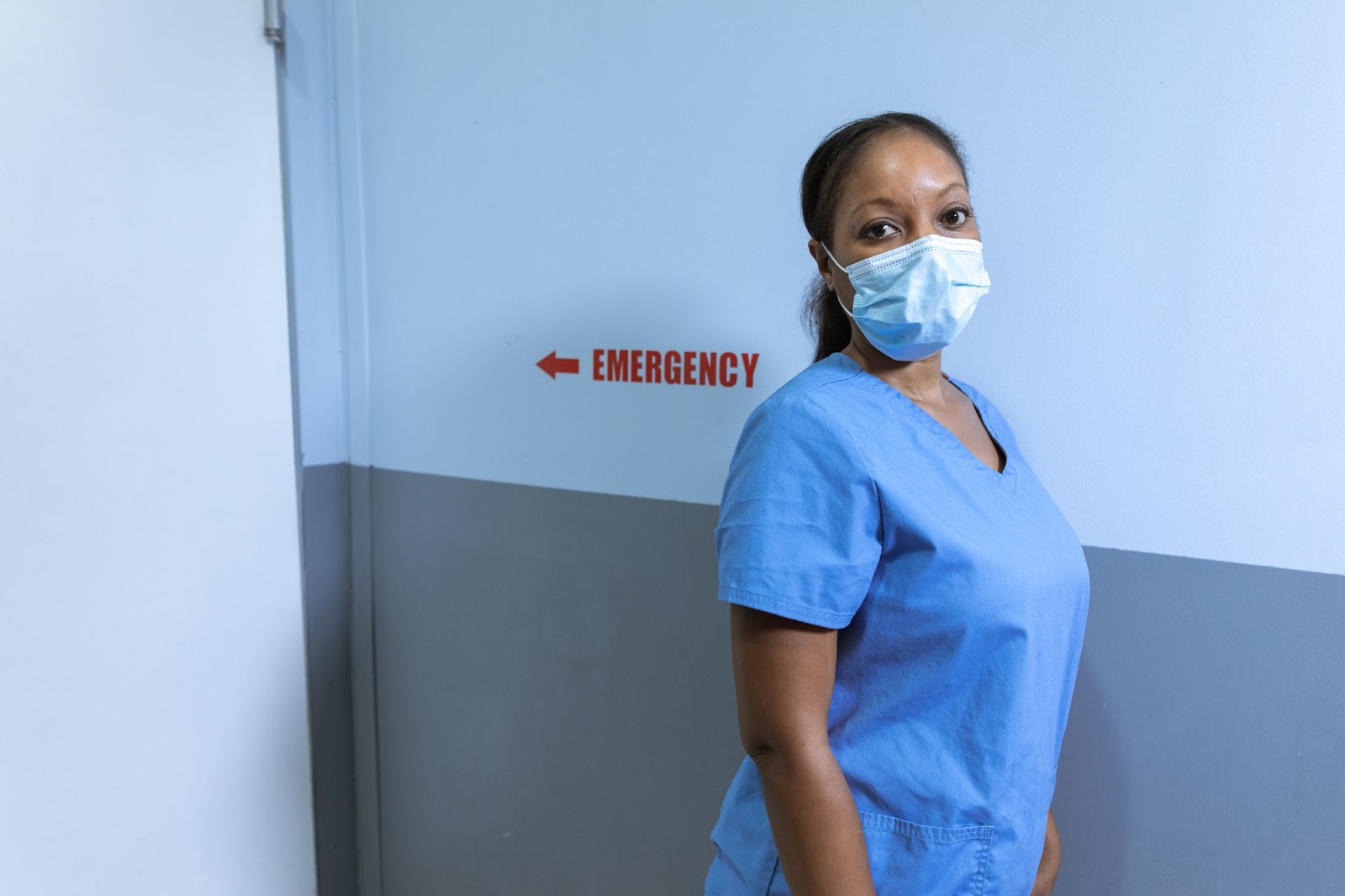
Brisbane’s winter sports season is in full swing, and The Prince Charles Hospital‘s Emergency Department is treating a surge of children and adults with contact sport injuries including ankle sprains, knee injuries and concussions. 


It happens every year. As the cooler months bring football codes, netball and soccer back into action, the injuries follow. 

The most common injuries 

Lower limb injuries, particularly to the knee and ankle, make up a significant portion of sports injury presentations at the ED. Emergency Staff Specialist Dr Faye Jordan said suspected fractures should be prioritised.

Photo Credit: iStock

“Suspected fractures should be seen to as a priority, ideally through the local emergency department where x-rays can be used to confirm the diagnosis,” she said.

Musculoskeletal injuries respond better to early assessment. Playing through pain risks a minor problem becoming a season-ending one.

When a head knock happens 

Concussion is one of the most common injuries managed by the ED and requires careful attention from the moment it happens. The rule is simple: any knock to the head means off the field, no exceptions, until a proper medical assessment has been done and the child is specifically cleared to return.

Photo Credit: Metro North Health

“It’s important for parents and teachers to remember the single most critical step — if a child takes a knock to the head, they should come off the field immediately and not return to play until they have been properly assessed and specifically cleared to do so,” Dr Jordan said.

Headache, difficulty remembering events before or after the knock, and trouble concentrating are common signs — but not all concussions show symptoms straight away. That’s exactly why caution matters more than gut feeling.

The first 48 hours matter 

A second impact before the brain has recovered can significantly worsen the original injury and extend recovery time.

Photo Credit: Safe Kids Washingston

Children should be removed from contact sport and physical education immediately following any head knock, not just when symptoms appear.

Reduced screen time and light exercise such as walking in the first 48 hours can speed recovery. Dr. Jordan warns that players should strictly avoid returning to sport prematurely to prevent secondary reinjury. 

Reducing injury risks 

Regular training helps young athletes build the skills and physical resilience needed to reduce injury risk.

Beyond that, Dr Jordan’s advice is straightforward: warm up properly, wear correctly fitted protective equipment including mouthguards and headgear, and come off the field if something hurts rather than pushing through and turning a minor issue into a significant one.

Knowing where to seek help 

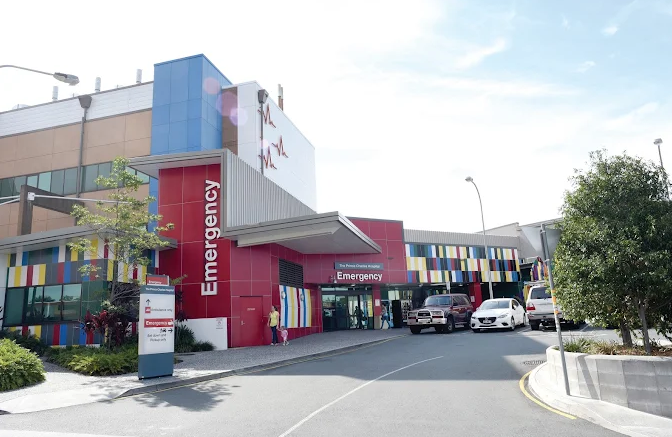
The Prince Charles Hospital Emergency Department is at Rode Road, Chermside, and handles urgent and critical presentations.

For injuries that need attention but are not an emergency, GPs, urgent care clinics, Satellite Health Centres and the Virtual Emergency Care Service are all faster and more appropriate options. Health advice is available around the clock by calling 13 HEALTH (13 43 25 84).


Published 10-July-2026

Chermside Gardener Reveals Daily Habits after Reaching 101 Years of Age

A resilient Chermside local has proven that a simple daily routine of pulling weeds and eating a hearty breakfast is the surprising formula for reaching the rare milestone of 101 years of age.


Chermside
Photo Credit: Metro North Health

After taking a tumble while working in her garden, the vibrant senior, Eloise, was treated at The Prince Charles Hospital before moving into Anglicare St Martin’s this week to begin her next chapter. She celebrated her latest birthday milestone surrounded by a mix of long-time friends, new acquaintances, and the hospital medical staff who aided her recovery. Eloise remains in excellent health and has seamlessly settled into her new care facility, which she now calls home.

The secret to such a long life goes beyond simple luck, with Eloise attributing her health to a lifetime of hard work and a commitment to exploring the globe. She spent many years travelling overseas with her husband, taking memorable trips to destinations like Russia, Austria, Switzerland, and Italy. 

At home, she prefers to stay active by pottering around the yard and removing weeds. She also insists that her daily routine of taking vitamin supplements and eating a substantial breakfast gives her the necessary energy to keep going.

Chermside
Photo Credit: Metro North Health

Medical professionals agree that these consistent lifestyle choices make a massive difference in how we age. Dr Lucy Dakin, a geriatrician from the local hospital who attended the birthday celebrations, explained that reaching such an advanced age requires a mix of good genetics and dedicated self-care. 

She noted that people who live for a century often share common traits, such as walking regularly, maintaining a clear sense of purpose, and practising gratitude daily. The doctor added that staying curious about the world, much like Eloise did through her travels and hobbies, is a key factor in keeping the mind sharp.


While reaching a century of life is still quite rare for the average person, medical teams are seeing a shift in the local wards. Dr Dakin observed that the number of centenarians is growing due to the generally ageing population. It is becoming increasingly common for patients in their hundreds to successfully recover from hospital visits and return to their normal lives. Because of this trend, doctors are highly focussed on promoting healthy diets, exercise, and strong social networks to give older patients the best chance of staying happy and healthy well into their hundreds.

Published Date 25-June-2026

Long-Awaited Safety Upgrade Coming to Hamilton Road in Chermside 

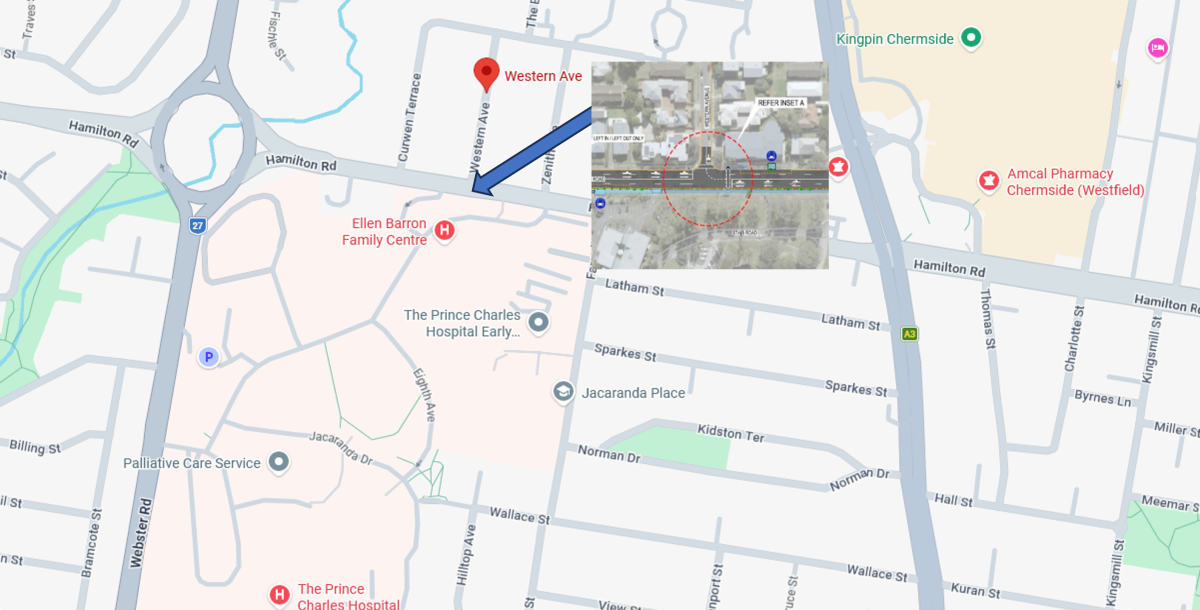
Traffic lights and new pedestrian crossings are coming to the Hamilton Road, Western Avenue and Staib Road intersection in Chermside, with concept design and investigation work underway following years of community advocacy for safer access to The Prince Charles Hospital.


The project is now in its design phase, with a preliminary design expected to be shared publicly in mid-2026 before the community is invited to meet the project team and discuss the proposal. Main construction is planned from 2027, following final design. The upgrade is jointly funded by the state and Brisbane City authorities.

A long-running push for safer access

The stretch of Hamilton Road outside The Prince Charles Hospital has been the subject of sustained community concern since at least 2009. By 2019, the community had been campaigning for 16 years to see the roads around the hospital upgraded after multiple serious incidents, and more than 722 of the 726 Prince Charles Hospital staff surveyed after a fatal crash said the intersection needed to be upgraded.

Photo Credit: Fionna Hammond/Facebook

In November 2018, a serious crash at Hamilton Road and Staib Road involved a BMW sedan travelling at high speed colliding with a Nissan Micra leaving The Prince Charles Hospital, seriously injuring the Nissan’s driver.

That same month, nurse Solita Honorio died days after a traffic crash outside the hospital, prompting renewed community calls for traffic signals on Hamilton Road and bringing together an alliance of approximately 150 people from local churches, unions, hospital staff and executives concerned about road safety at the site.

The loss galvanised a community that had already been advocating for change for years and set in motion the sustained pressure that has ultimately led to this project.

The changes planned for the intersection

The approved design direction installs new traffic lights and pedestrian crossings at the three-way intersection of Hamilton Road, Western Avenue and Staib Road.

Traffic lights will improve visibility, manage traffic flow and reduce the risk of future crashes, while new crossing points will make the intersection safer for pedestrians, cyclists and motorists alike.
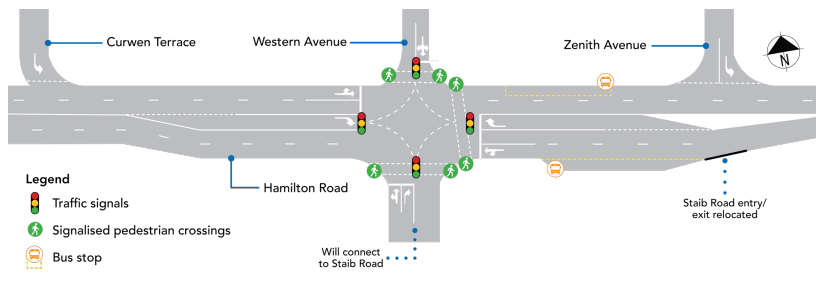
Photo Credit: BCC

Improving access to The Prince Charles Hospital has been a central priority throughout the design process, and following community feedback across multiple design iterations, this has now been formally incorporated into the design moving forward.

The Prince Charles Hospital is a 690-bed major teaching and tertiary referral hospital operated by Metro North Health, recognised as Australia’s leading cardiothoracic hospital, drawing staff, patients and visitors from across Queensland every day. The volume of movement generated by a facility of that scale makes the intersection’s upgrade not merely a local traffic matter but a regional health infrastructure one.

The next stage of the upgrade process

On-site testing and surveying will take place along Hamilton Road and nearby streets throughout 2026 to support the finalisation of the design. This testing includes checking the condition and structure of the road surface, locating utilities, and accurately surveying levels, boundaries and existing features.

Works may take place during the day or at night depending on the activity involved.

Residents and commuters travelling through the area during this period may notice temporary noise, dust and vibration, construction vehicles, traffic controllers and temporary footpath diversions. Hamilton Road will remain open throughout, and there will be no impact to local property access.

The preliminary design will be shared from mid-2026, at which point the community will be invited to meet the project team and provide feedback before final design and construction proceed from 2027.

To register for project updates, click here or contact the project team on 07 3178 5413 between 8.30am and 4.30pm Monday to Friday, or email cityprojects@brisbane.qld.gov.au.


Published 20-May-2026
Chermside Milestone: $78M in Community-Funded Health Support Reaches 40 Years

Chermside patients have been supported by more than $78 million in community-funded hospital research and care over the past four decades — and now a new rehabilitation pathway at The Prince Charles Hospital is set to help people practise everyday movement skills safely before they return home.


A new rehabilitation pathway developed will be officially opened on Tuesday, 20 January 2026 at the Chermside campus. The project is supported by The Prince Charles Hospital Foundation, which is using the launch to mark the start of its 40th anniversary year.

The pathway has been created to help patients working with allied health professionals practise mobility tasks that mirror day-to-day life, such as walking in different environments and building stability and confidence step by step. The aim is to support people recovering from illness or major treatment in regaining independence and functioning beyond the hospital setting.

The pathway helps bridge the gap between clinical therapy and the practical skills people need once they leave the ward. The opening will also include visual elements across the campus marking 40 years of Foundation impact, along with opportunities for interviews.

40 Years of Impact in Chermside and Queensland

The Prince Charles Hospital Foundation was established in 1986 and says it has funded more than 1,000 research grants and invested over $78 million into adult and paediatric healthcare across Queensland. The Foundation’s support has included medical research, equipment and patient care programs connected to The Prince Charles Hospital and, more recently, Caboolture Hospital, which serves one of the state’s fastest-growing areas.

The Foundation credits its supporters with helping fund research that has influenced clinical practice locally and globally, including work linked to advanced 3D cardiac imaging, investigations into alternatives to heart and lung transplantation, new approaches to heart and lung disease, and a silicosis screening trial using breath samples.

It also points to funding for practical, patient-centred care programs, including Queensland’s first Child Life Therapy program in a public hospital emergency department, comfort initiatives for patients across wards, and “Charlie’s Village”, a dementia-friendly hospital environment designed to support patients and families.

Local Faces and Stories Behind the Milestone

The anniversary year will feature 40 stories shared across 2026, focusing on patients, clinicians, researchers and community members connected to the Foundation’s work. The Foundation says the stories are designed to show how research and rehabilitation can change everyday outcomes for patients and families.

Among the people connected to the milestone is Chermside-based heart transplant recipient Rhys Hoole, who was the 500th person to receive a heart transplant at The Prince Charles Hospital and now serves as a community ambassador. Material provided by the Foundation describes him as an example of how medical research and improvements in care can help patients recover, return to daily life, and plan for the future.

Foundation Plans Events Throughout 2026

As part of the anniversary year, the Foundation will also hold the Jacaranda Gala on 16 May 2026, which it says will be its first major gala event in more than 15 years. The event theme is inspired by the jacaranda trees on The Prince Charles Hospital campus, which the Foundation links with long-term community connection and renewal.

The Foundation says more announcements will be released throughout the year as the milestone program continues.


For more information about the Foundation and its 40-year milestone, visit The Prince Charles Hospital Foundation: https://www.tpchfoundation.org.au/ 

For milestone updates and the anniversary campaign, visit: https://www.tg.org.au/40years 

Published 19-Jan-2026

Two Decades On: The Prince Charles Hospital Triple-Transplant Story That Defied the Odds

Did you know that 20 years ago, The Prince Charles Hospital in Chermside became the site of a groundbreaking, complex triple-organ procedure that allowed a young lady, then only 24 years old, to go on and get married, become a mother and live a full life? 


A Medical Milestone

transplant
Photo Credit: Metro North Health

In the winter of 2005, Lucinda Winnem underwent a massive operation at The Prince Charles Hospital in Chermside to replace her heart, lungs, and liver. At only 24 years old, she became the first Australian woman to survive this specific triple transplant. 

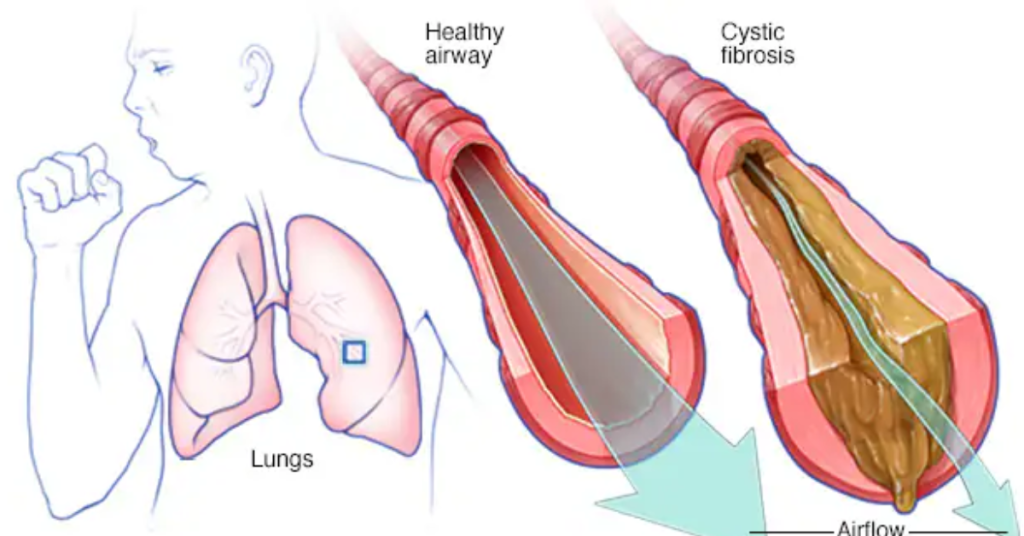
She suffered from cystic fibrosis, a genetic condition that had severely damaged her lungs and liver, leaving her struggling to breathe. Doctors decided to replace her heart as well because transplanting the three organs together as a single block is safer and technically easier than doing them individually.

Because Lucinda’s original heart was not affected by the disease, the medical team was able to use it to save another person. This procedure is called a domino transplant. Lucinda explained that it felt humbling to receive such a huge gift from a donor, and she found comfort in knowing her own healthy heart went to help a stranger who was just as desperate for a second chance as she was.

Support Through the Storm

transplant
Photo Credit: Metro North Health

Lucinda had a strong support system during her recovery, led by her partner Damon Simpson. The couple met at a Gold Coast shopping centre in 2003 and connected immediately. Early in their relationship, Lucinda warned Damon that she would need a major transplant, but he stayed by her side. Damon stated that he knew they were meant to be together from the moment they met.

Just 16 weeks after the 12-hour surgery, the couple married in a stone chapel at Mt Nathan. 

Three of the specialists who managed her care—surgeon John Dunning and physicians Peter Hopkins and Keith McNeil—were among the guests. Lucinda said having the men who helped save her life present at her wedding made the day a celebration of life as well as marriage. Dr McNeil noted that seeing patients reach such happy milestones was an indescribable feeling for the medical team.


Creating a Family Against the Odds

For a long time, doctors told Lucinda and Damon that having children would be impossible. The couple even prepared to become foster parents because they believed they could not have a family of their own. However, about five years after her surgery, Lucinda spoke to Professor Peter Hopkins again about the possibility of pregnancy. This time, the medical team was more optimistic.

The process took careful planning. Lucinda had to switch her medications to ensure they were safe for a baby. Professor Hopkins said the transition was risky, but Lucinda followed her health plan strictly. After years of preparation, she gave birth to a son named Angus. Her doctors believe she is the only woman in the world with a heart-lung-liver transplant to successfully have a baby. Now living in the Gold Coast hinterland, Lucinda continues to maintain her health with a strict routine of exercise and medication, grateful for the normal life she fought so hard to secure.

Published Date 31-December-2025

Prince Charles Hospital Secures Place in Queensland’s 2025–26 Health Funding

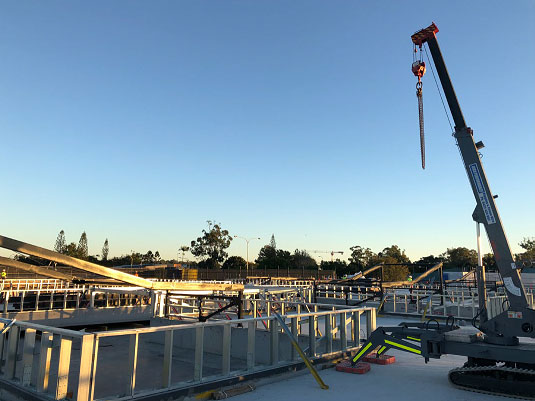
The ongoing expansion of The Prince Charles Hospital in Chermside has been officially included in Queensland’s 2025–26 Budget, confirming continued support for one of Brisbane’s busiest health precincts.


Read: The Prince Charles Hospital Expansion Moves Ahead in Chermside


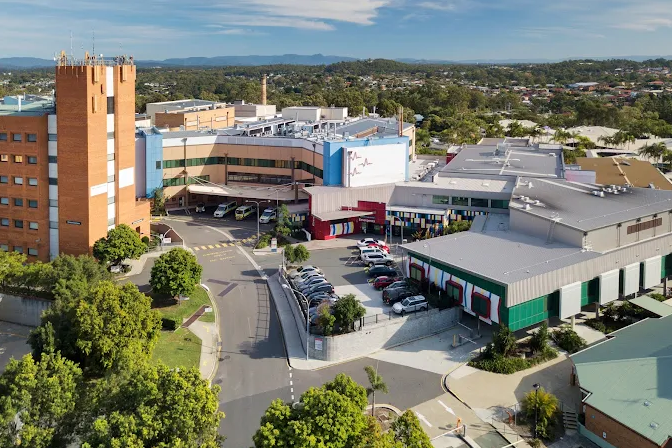
The upgrade will deliver more than 93 new beds, a brand-new emergency department, expanded operating theatres, and improved paediatric services. Located at Rode Rd in Chermside, the hospital serves Brisbane’s growing northside population and is already a vital hub for specialist cardiac and respiratory care.

Photo credit: The Prince Charles Hospital/Google Maps

The expansion is part of a broader investment in public hospitals under the state’s Hospital Rescue Plan, aimed at easing pressure on emergency departments, improving wait times, and expanding treatment capacity across Queensland.

With a total investment of $18.5 billion, the Hospital Rescue Plan is set to deliver over 2,600 additional hospital beds across Queensland. The package includes the construction of three new hospitals, expansions at ten existing facilities, and an increase in health services for regional communities.

Alongside the Prince Charles Hospital upgrade, other major hospitals across Brisbane and the Redlands, including the Princess Alexandra, Queen Elizabeth II Jubilee and Royal Brisbane and Women’s Hospitals, will also receive new beds, facilities, and infrastructure upgrades.

Photo credit: The Prince Charles Hospital/Google Maps

Premier David Crisafulli described the 2025–26 Budget as laying the groundwork for what he called a fresh start for Brisbane and the Redlands. He indicated that the Budget aimed to tackle long-standing challenges across the state, including health, housing, cost of living, and youth crime, areas he said Queenslanders expected action on.

“We are delivering to restore safety where you live, health services when you need them, a better lifestyle through a stronger economy and a plan for Queensland’s future. 


Read: What the Hospital Rescue Plan Means for Prince Charles Hospital


The planned works at Prince Charles are expected to improve access to timely care for patients in Brisbane’s northern suburbs. The hospital’s added capacity will help meet rising demand and provide more modern, fit-for-purpose healthcare spaces for both patients and staff.

Published 20-October-2025

The Prince Charles Hospital in Chermside Saves Mum’s Life with Groundbreaking Transplant

A mother with cystic fibrosis was saved by a pioneering heart and double lung transplant, a complicated and rare procedure, at the Prince Charles Hospital in Chermside.


Since birth, Tina Lee, a 39-year-old Yeppoon teacher, has had cystic fibrosis (CF). A genetic disorder that affects the lungs and other organs, CF frequently results in serious health complications. Ms Lee received a second chance at life after undergoing a double lung transplant last 2015, in her early 30s.

In 2023 February, she and her partner, Tom, found out they were expecting their first child years later, they were ecstatic. However, Ms Lee was in critical condition after a severe rejection of her transplanted lungs at 34 weeks into her pregnancy.

Her baby, Henry, was delivered by emergency caesarean section and was admitted to the Neonatal Intensive Care Unit (NICU) right away. But Ms Lee’s health kept getting worse.

The Prince Charles Hospital Takes the Lead

As her condition deteriorated, Ms Lee was moved to The Prince Charles Hospital in Chermside, which is renowned for its proficiency in cardiothoracic care. With limited traditional treatment options available, her case became urgent.

Under the direction of Professor Peter Hopkins, the hospital’s medical staff decided to try tocilizumab, a drug typically used to treat rheumatoid arthritis. This medication had never been tested on cystic fibrosis patients in Australia before. To everyone’s relief, Ms Lee’s condition stabilised within just one day, giving her much-needed time for further treatment.

A Record-Breaking Transplant

In 2024 May, Ms Lee was added to the transplant waiting list. Amazingly, donor organs were available six hours later. She had a heart and double lung transplant at The Prince Charles Hospital, a rare and difficult procedure that went well.

With medical professionals like Professor Hopkins highlighting the impact that prompt donations can have on patients in critical condition, Ms Lee’s story serves as a reminder of the significance of organ donation for critically ill patients.

Chermside Community and Family Support

The Prince Charles Hospital has long been acknowledged by the Chermside community as an essential local centre for cutting-edge medical care. Ms Lee’s experience serves as more evidence of the hospital’s commitment to offering patients state-of-the-art treatment.

Ms Lee attributed her persistent perseverance during her recovery to her baby boy, Henry. Seeing him, she claimed, gave her the willpower to keep going.

A Call for Organ Donors

Ms Lee’s story highlights the continued need for organ donors. Many of the thousands of Australians waiting for transplants depend on the generosity of donors to stay alive, according to DonateLife.

Her story demonstrates the importance of these contributions and the efforts made by institutions such as The Prince Charles Hospital to oversee such life-saving operations.

A Brighter Future

Ms Lee is loving being a mother today and treasures her time spent with her family. She continues to promote organ donation and urge others to do the same.


Stories like Ms Lee’s attest to the commitment of the hospital’s staff and the value of community health resources, demonstrating the exceptional medical care that The Prince Charles Hospital in Chermside continues to provide.

Published 26-Dec-2024

Companies Shortlisted For QLD’s New Hospitals, Expansion Of Major Hospitals Including Prince Charles Hospital

Around 12 companies have been shortlisted for the delivery of three new hospitals and the expansion of nine major hospitals, including The Prince Charles Hospital in Chermside.


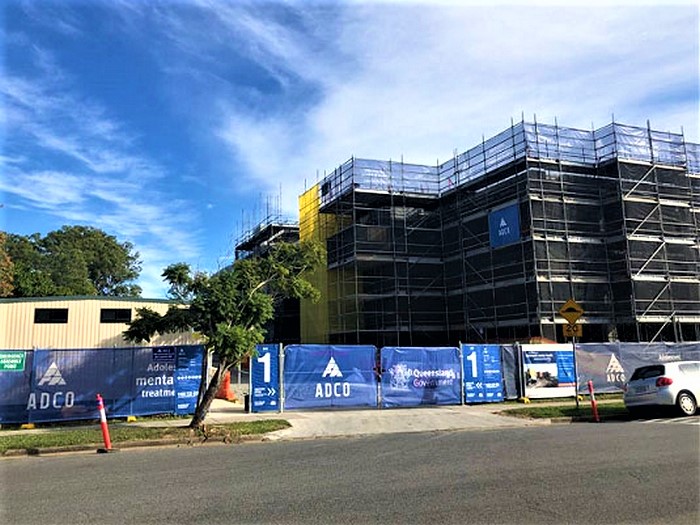
Read: Budget Allocated for the Completion of Adolescent Extended Treatment Centre at The Prince Charles Hospital


The building contractor shortlist was established based on an expression of interest process and through Queensland Health’s broader engagement with industry.

Minister for Health and Ambulance Services Yvette D’Ath said the shortlisted contractors had already demonstrated their commitment to partnering with the government to deliver for growing communities across the state.

The Prince Charles Hospital
Photo credit: Peter Baskerville/Google Maps

“Queensland Health has set high standards for the contractors, based on sound design principles that focus on people, place, value add and technology,” the Minister said.

“Successful tenderers will need to meet these standards as they finalise the designs, working in collaboration with the newly formed Health Capital Division in the Department of Health and in partnership with the local Hospital and Health Services,” she added.

TPCH is among the six hospitals in the South East Queensland region set to receive a major expansion, alongside Redcliffe, Ipswich, Logan, QEII, and Princess Alexandra hospitals.

The Prince Charles Hospital
Photo credit: The Prince Charles Hospital/Google Maps

Under the Queensland Health and Hospitals Plan, the State is about to get three new hospitals to be located at Toowoomba, Coomera, and Bundaberg. All these new hospitals, estimated to cost at least $1 billion each, are estimated to be complete by the second half of 2027.

The expansion of Prince Charles Hospital will add 93 more beds and is estimated to cost around $300 million. It’s set for completion during the second half of 2027.


Read: Data Reveals Ramping Times At The Prince Charles Hospital


The construction of these three new hospitals and nine major hospital expansions will also provide a significant economic boost and support local businesses, creating around 19,947 construction jobs.