


Chermside Milestone: $78M in Community-Funded Health Support Reaches 40 Years

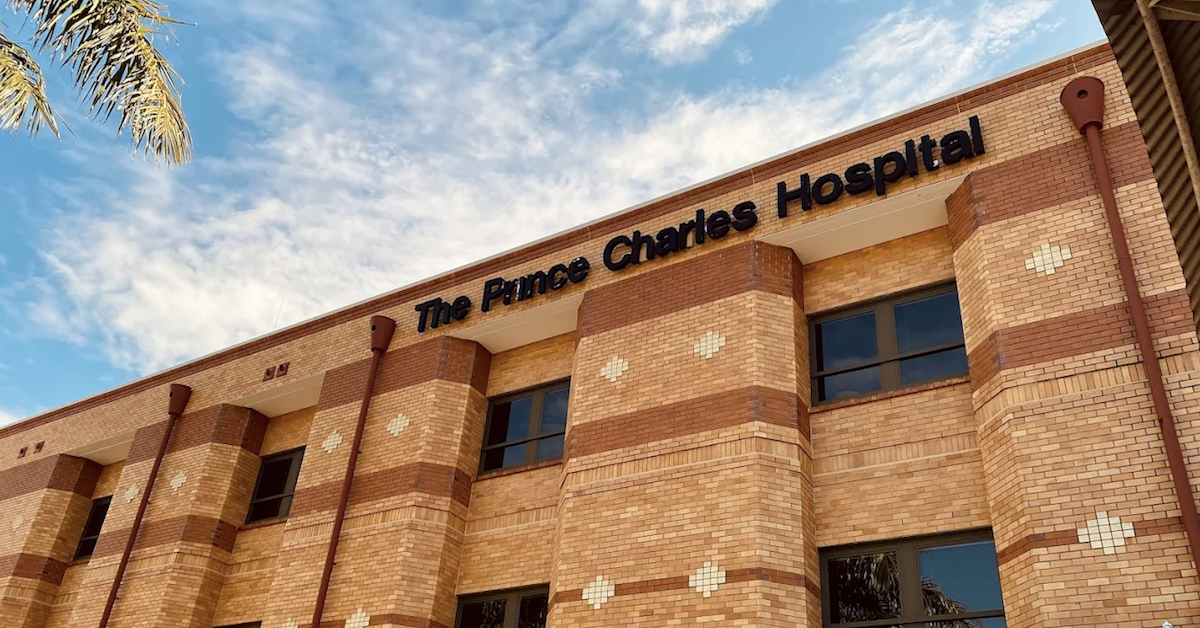
Chermside patients have been supported by more than $78 million in community-funded hospital research and care over the past four decades — and now a new rehabilitation pathway at The Prince Charles Hospital is set to help people practise everyday movement skills safely before they return home.


A new rehabilitation pathway developed will be officially opened on Tuesday, 20 January 2026 at the Chermside campus. The project is supported by The Prince Charles Hospital Foundation, which is using the launch to mark the start of its 40th anniversary year.

The pathway has been created to help patients working with allied health professionals practise mobility tasks that mirror day-to-day life, such as walking in different environments and building stability and confidence step by step. The aim is to support people recovering from illness or major treatment in regaining independence and functioning beyond the hospital setting.

The pathway helps bridge the gap between clinical therapy and the practical skills people need once they leave the ward. The opening will also include visual elements across the campus marking 40 years of Foundation impact, along with opportunities for interviews.

40 Years of Impact in Chermside and Queensland

The Prince Charles Hospital Foundation was established in 1986 and says it has funded more than 1,000 research grants and invested over $78 million into adult and paediatric healthcare across Queensland. The Foundation’s support has included medical research, equipment and patient care programs connected to The Prince Charles Hospital and, more recently, Caboolture Hospital, which serves one of the state’s fastest-growing areas.

The Foundation credits its supporters with helping fund research that has influenced clinical practice locally and globally, including work linked to advanced 3D cardiac imaging, investigations into alternatives to heart and lung transplantation, new approaches to heart and lung disease, and a silicosis screening trial using breath samples.

It also points to funding for practical, patient-centred care programs, including Queensland’s first Child Life Therapy program in a public hospital emergency department, comfort initiatives for patients across wards, and “Charlie’s Village”, a dementia-friendly hospital environment designed to support patients and families.

Local Faces and Stories Behind the Milestone

The anniversary year will feature 40 stories shared across 2026, focusing on patients, clinicians, researchers and community members connected to the Foundation’s work. The Foundation says the stories are designed to show how research and rehabilitation can change everyday outcomes for patients and families.
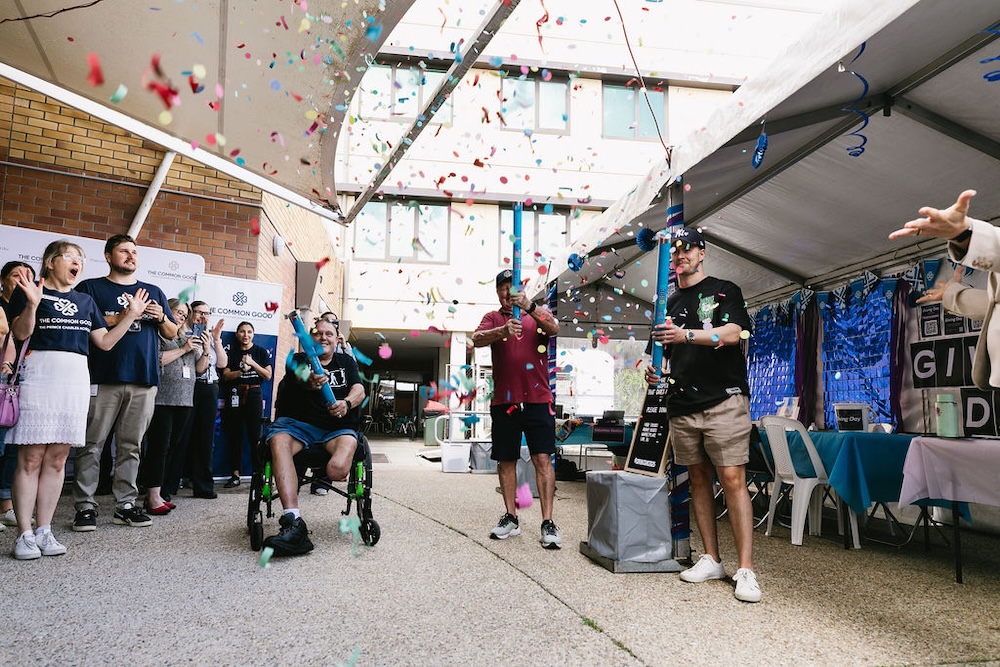
Among the people connected to the milestone is Chermside-based heart transplant recipient Rhys Hoole, who was the 500th person to receive a heart transplant at The Prince Charles Hospital and now serves as a community ambassador. Material provided by the Foundation describes him as an example of how medical research and improvements in care can help patients recover, return to daily life, and plan for the future.

Foundation Plans Events Throughout 2026

As part of the anniversary year, the Foundation will also hold the Jacaranda Gala on 16 May 2026, which it says will be its first major gala event in more than 15 years. The event theme is inspired by the jacaranda trees on The Prince Charles Hospital campus, which the Foundation links with long-term community connection and renewal.

The Foundation says more announcements will be released throughout the year as the milestone program continues.


For more information about the Foundation and its 40-year milestone, visit The Prince Charles Hospital Foundation: https://www.tpchfoundation.org.au/ 

For milestone updates and the anniversary campaign, visit: https://www.tg.org.au/40years 

Published 19-Jan-2026

Two Decades On: The Prince Charles Hospital Triple-Transplant Story That Defied the Odds

Did you know that 20 years ago, The Prince Charles Hospital in Chermside became the site of a groundbreaking, complex triple-organ procedure that allowed a young lady, then only 24 years old, to go on and get married, become a mother and live a full life? 


A Medical Milestone

transplant
Photo Credit: Metro North Health

In the winter of 2005, Lucinda Winnem underwent a massive operation at The Prince Charles Hospital in Chermside to replace her heart, lungs, and liver. At only 24 years old, she became the first Australian woman to survive this specific triple transplant. 

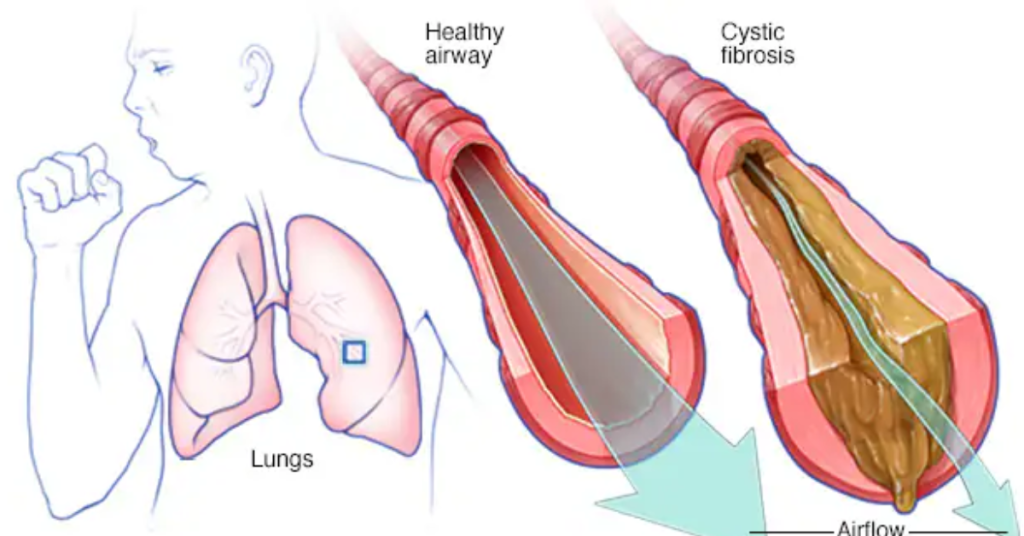
She suffered from cystic fibrosis, a genetic condition that had severely damaged her lungs and liver, leaving her struggling to breathe. Doctors decided to replace her heart as well because transplanting the three organs together as a single block is safer and technically easier than doing them individually.

Because Lucinda’s original heart was not affected by the disease, the medical team was able to use it to save another person. This procedure is called a domino transplant. Lucinda explained that it felt humbling to receive such a huge gift from a donor, and she found comfort in knowing her own healthy heart went to help a stranger who was just as desperate for a second chance as she was.

Support Through the Storm

transplant
Photo Credit: Metro North Health

Lucinda had a strong support system during her recovery, led by her partner Damon Simpson. The couple met at a Gold Coast shopping centre in 2003 and connected immediately. Early in their relationship, Lucinda warned Damon that she would need a major transplant, but he stayed by her side. Damon stated that he knew they were meant to be together from the moment they met.

Just 16 weeks after the 12-hour surgery, the couple married in a stone chapel at Mt Nathan. 

Three of the specialists who managed her care—surgeon John Dunning and physicians Peter Hopkins and Keith McNeil—were among the guests. Lucinda said having the men who helped save her life present at her wedding made the day a celebration of life as well as marriage. Dr McNeil noted that seeing patients reach such happy milestones was an indescribable feeling for the medical team.


Creating a Family Against the Odds

For a long time, doctors told Lucinda and Damon that having children would be impossible. The couple even prepared to become foster parents because they believed they could not have a family of their own. However, about five years after her surgery, Lucinda spoke to Professor Peter Hopkins again about the possibility of pregnancy. This time, the medical team was more optimistic.

The process took careful planning. Lucinda had to switch her medications to ensure they were safe for a baby. Professor Hopkins said the transition was risky, but Lucinda followed her health plan strictly. After years of preparation, she gave birth to a son named Angus. Her doctors believe she is the only woman in the world with a heart-lung-liver transplant to successfully have a baby. Now living in the Gold Coast hinterland, Lucinda continues to maintain her health with a strict routine of exercise and medication, grateful for the normal life she fought so hard to secure.

Published Date 31-December-2025

Prince Charles Hospital Secures Place in Queensland’s 2025–26 Health Funding

The ongoing expansion of The Prince Charles Hospital in Chermside has been officially included in Queensland’s 2025–26 Budget, confirming continued support for one of Brisbane’s busiest health precincts.


Read: The Prince Charles Hospital Expansion Moves Ahead in Chermside


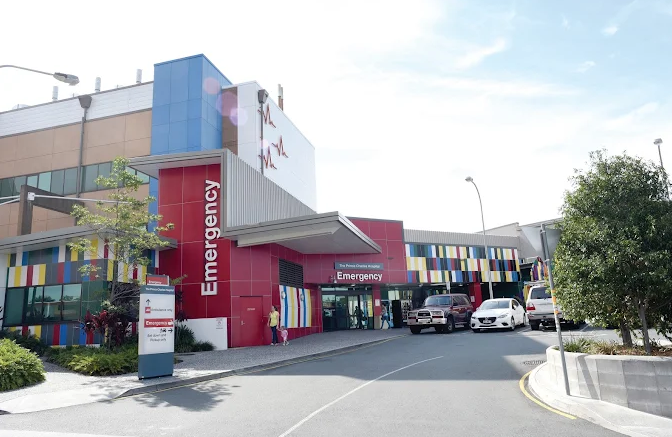
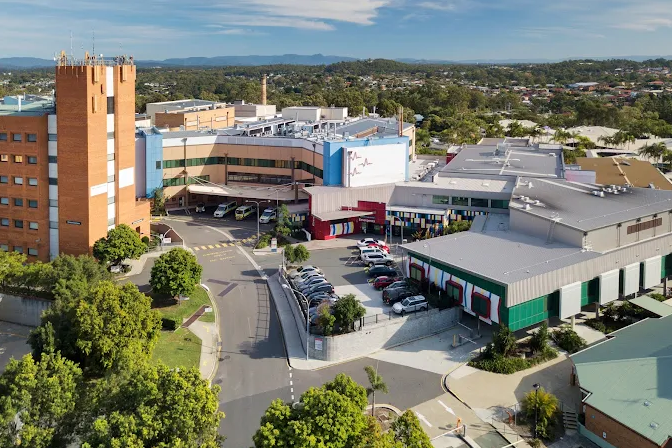
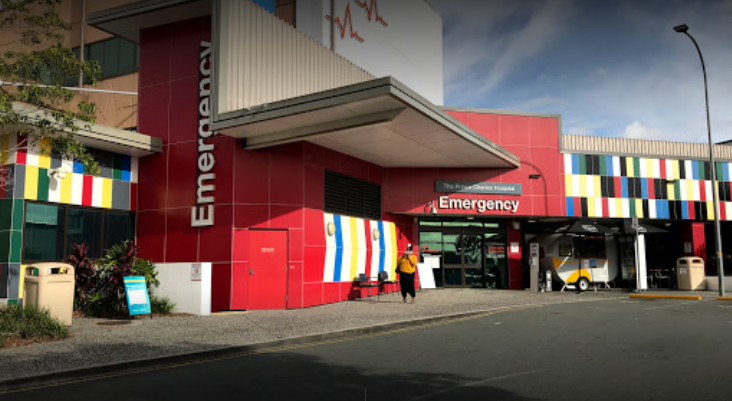
The upgrade will deliver more than 93 new beds, a brand-new emergency department, expanded operating theatres, and improved paediatric services. Located at Rode Rd in Chermside, the hospital serves Brisbane’s growing northside population and is already a vital hub for specialist cardiac and respiratory care.

Photo credit: The Prince Charles Hospital/Google Maps

The expansion is part of a broader investment in public hospitals under the state’s Hospital Rescue Plan, aimed at easing pressure on emergency departments, improving wait times, and expanding treatment capacity across Queensland.

With a total investment of $18.5 billion, the Hospital Rescue Plan is set to deliver over 2,600 additional hospital beds across Queensland. The package includes the construction of three new hospitals, expansions at ten existing facilities, and an increase in health services for regional communities.

Alongside the Prince Charles Hospital upgrade, other major hospitals across Brisbane and the Redlands, including the Princess Alexandra, Queen Elizabeth II Jubilee and Royal Brisbane and Women’s Hospitals, will also receive new beds, facilities, and infrastructure upgrades.

Photo credit: The Prince Charles Hospital/Google Maps

Premier David Crisafulli described the 2025–26 Budget as laying the groundwork for what he called a fresh start for Brisbane and the Redlands. He indicated that the Budget aimed to tackle long-standing challenges across the state, including health, housing, cost of living, and youth crime, areas he said Queenslanders expected action on.

“We are delivering to restore safety where you live, health services when you need them, a better lifestyle through a stronger economy and a plan for Queensland’s future. 


Read: What the Hospital Rescue Plan Means for Prince Charles Hospital


The planned works at Prince Charles are expected to improve access to timely care for patients in Brisbane’s northern suburbs. The hospital’s added capacity will help meet rising demand and provide more modern, fit-for-purpose healthcare spaces for both patients and staff.

Published 20-October-2025

The Prince Charles Hospital in Chermside Saves Mum’s Life with Groundbreaking Transplant

A mother with cystic fibrosis was saved by a pioneering heart and double lung transplant, a complicated and rare procedure, at the Prince Charles Hospital in Chermside.


Since birth, Tina Lee, a 39-year-old Yeppoon teacher, has had cystic fibrosis (CF). A genetic disorder that affects the lungs and other organs, CF frequently results in serious health complications. Ms Lee received a second chance at life after undergoing a double lung transplant last 2015, in her early 30s.

In 2023 February, she and her partner, Tom, found out they were expecting their first child years later, they were ecstatic. However, Ms Lee was in critical condition after a severe rejection of her transplanted lungs at 34 weeks into her pregnancy.

Her baby, Henry, was delivered by emergency caesarean section and was admitted to the Neonatal Intensive Care Unit (NICU) right away. But Ms Lee’s health kept getting worse.

The Prince Charles Hospital Takes the Lead

As her condition deteriorated, Ms Lee was moved to The Prince Charles Hospital in Chermside, which is renowned for its proficiency in cardiothoracic care. With limited traditional treatment options available, her case became urgent.

Under the direction of Professor Peter Hopkins, the hospital’s medical staff decided to try tocilizumab, a drug typically used to treat rheumatoid arthritis. This medication had never been tested on cystic fibrosis patients in Australia before. To everyone’s relief, Ms Lee’s condition stabilised within just one day, giving her much-needed time for further treatment.

A Record-Breaking Transplant

In 2024 May, Ms Lee was added to the transplant waiting list. Amazingly, donor organs were available six hours later. She had a heart and double lung transplant at The Prince Charles Hospital, a rare and difficult procedure that went well.

With medical professionals like Professor Hopkins highlighting the impact that prompt donations can have on patients in critical condition, Ms Lee’s story serves as a reminder of the significance of organ donation for critically ill patients.

Chermside Community and Family Support

The Prince Charles Hospital has long been acknowledged by the Chermside community as an essential local centre for cutting-edge medical care. Ms Lee’s experience serves as more evidence of the hospital’s commitment to offering patients state-of-the-art treatment.

Ms Lee attributed her persistent perseverance during her recovery to her baby boy, Henry. Seeing him, she claimed, gave her the willpower to keep going.

A Call for Organ Donors

Ms Lee’s story highlights the continued need for organ donors. Many of the thousands of Australians waiting for transplants depend on the generosity of donors to stay alive, according to DonateLife.

Her story demonstrates the importance of these contributions and the efforts made by institutions such as The Prince Charles Hospital to oversee such life-saving operations.

A Brighter Future

Ms Lee is loving being a mother today and treasures her time spent with her family. She continues to promote organ donation and urge others to do the same.


Stories like Ms Lee’s attest to the commitment of the hospital’s staff and the value of community health resources, demonstrating the exceptional medical care that The Prince Charles Hospital in Chermside continues to provide.

Published 26-Dec-2024

Companies Shortlisted For QLD’s New Hospitals, Expansion Of Major Hospitals Including Prince Charles Hospital

Around 12 companies have been shortlisted for the delivery of three new hospitals and the expansion of nine major hospitals, including The Prince Charles Hospital in Chermside.


Read: Budget Allocated for the Completion of Adolescent Extended Treatment Centre at The Prince Charles Hospital


The building contractor shortlist was established based on an expression of interest process and through Queensland Health’s broader engagement with industry.

Minister for Health and Ambulance Services Yvette D’Ath said the shortlisted contractors had already demonstrated their commitment to partnering with the government to deliver for growing communities across the state.

The Prince Charles Hospital
Photo credit: Peter Baskerville/Google Maps

“Queensland Health has set high standards for the contractors, based on sound design principles that focus on people, place, value add and technology,” the Minister said.

“Successful tenderers will need to meet these standards as they finalise the designs, working in collaboration with the newly formed Health Capital Division in the Department of Health and in partnership with the local Hospital and Health Services,” she added.

TPCH is among the six hospitals in the South East Queensland region set to receive a major expansion, alongside Redcliffe, Ipswich, Logan, QEII, and Princess Alexandra hospitals.

The Prince Charles Hospital
Photo credit: The Prince Charles Hospital/Google Maps

Under the Queensland Health and Hospitals Plan, the State is about to get three new hospitals to be located at Toowoomba, Coomera, and Bundaberg. All these new hospitals, estimated to cost at least $1 billion each, are estimated to be complete by the second half of 2027.

The expansion of Prince Charles Hospital will add 93 more beds and is estimated to cost around $300 million. It’s set for completion during the second half of 2027.


Read: Data Reveals Ramping Times At The Prince Charles Hospital


The construction of these three new hospitals and nine major hospital expansions will also provide a significant economic boost and support local businesses, creating around 19,947 construction jobs.

Data Reveals Ramping Times At The Prince Charles Hospital

Instances of ramping at the Prince Charles Hospital in Chermside have increased from 45 to 47 per cent, meaning nearly half of all patients waited more than 30 minutes on board an ambulance before being admitted to the hospital in December 2021, based on data by the Queensland Ambulance Service. 


Read: New Data Reveals Worsening Ramping Times In Hospitals Across Qld, Including Chermside


In medical terms, ramping refers to the time when a patient is left in the backs of ambulances or corridors because the emergency department is full.  

Health Minister Yvette D’Ath released the data, which was recorded between November and December 2021, in response to a parliamentary question and said the pandemic had placed immense pressure on health systems across Australia. 

Describing the situation as ‘heartbreaking,’ Minister D’Ath said no government wants to see these delays, but no one has a quick fix to this.

Following the reopening of domestic borders in the State in December 2021, Queensland experienced a major Covid-19 wave, but ramping was still above 44 per cent in South East Queensland by October. 

The Prince Charles Hospital, which has the second biggest emergency department in the State, has also recorded a median waiting time of 39 minutes for Category 3 or potentially life-threatening cases, where a patient should be seen by a treating doctor or nurse within 30 minutes.

Photo credit: Mohammed Khairy Abdelaty/Google Maps

At the largest hospital in Queensland, the Royal Brisbane and Women’s Hospital in Herston, half of all ambulance patients experienced ramping, a slight increase from its 48 per cent prior to the last quarter of 2021.

Other hospitals in the State also recorded increased ramping, such as West Moreton Ipswich Hospital (from 45 per cent to 66 per cent); Queen Elizabeth II (from 47 to 52 per cent); and Logan Hospital (from 64 to 66 per cent). 

In a media statement, Minister D’Ath said the Commonwealth needs to invest in better primary health care and improved access to GPs to reduce pressure on Queensland’s busy public hospitals.

New Data Reveals Worsening Ramping Times In Hospitals Across Qld, Including Chermside

The 2022 public health report by the Australian Medical Association revealed Queensland’s public hospitals are performing well overall, but more than a third of Category 3 emergency department patients are not seen within the recommended 30 minutes.


Read: Woman with Confirmed Case of Japanese Encephalitis Virus Now Being Treated in Chermside


In Chermside, The Prince Charles Hospital has recorded a median waiting time of 39 minutes for Category 3 or potentially life-threatening cases, where a patient should be seen by a treating doctor or nurse within half an hour of arriving.

The hospital has a total median wait time of 27 minutes for all categories as of the last quarter of 2021. The numbers are considered out of range of the latest national performance, but not in the poorest performing group of hospitals.

prince charles hospital emergency department
Photo credit: Mohammed Khairy Abdelaty/Google Maps

The Prince Charles Hospital, whose emergency department is the second biggest in the state, also recorded a total of 2418 minutes or 40.3 hours of patient off-stretcher time based on records from August 2021 to January 2022.

The target is to get most patients off stretchers and into EDs within 30 minutes but Queensland Audit Office noted that it has not been met across the state for the past seven years.

Patient off stretcher time (POST) is the amount of time it takes to transfer patients off ambulance stretchers, with a completed clinical handover, to EDs. For POST, Queensland’s target is to transfer 90 per cent of patients within 30 minutes.

Based on data from Queensland Health Emergency Department Information System, TPCH transfers 55 per cent of its patients off stretchers within 30 minutes.

Recommendations to Improve Services

Prof Chris Perry, President of AMA Queensland recommended short, medium and long-term actions to address the hospital bed block that is leading to emergency department ramping. 

“We need 1,500 more beds, extended hours for non-ED hospital functions like pharmacy, and different ways for patients to access hospital care other than through the ED,” said Prof Perry.

queensland health
Photo credit: RODNAE Productions/Pexels

He said hospitals in Queensland must run at less than 90 per cent occupancy so there is surge capacity, and Hospital and Health Services must conduct a detailed analysis of patient flow within the hospital and report against that analysis.

“This can work if it is underpinned by strong effective leadership, innovation, and appropriate investment by the State and Federal Governments,” he added.

Budget Issues

Despite efforts to improve the quality of public health care, this year’s budget papers, which was delivered on 29 March 2022, revealed there will be a $21 million cut from Queensland public hospitals next financial year.

The State Government wanted the federal government to meet it halfway with 50:50 funding for healthcare for Queenslanders in the federal budget but the LNP’s Federal Budget failed to deliver Queensland its fair share of funding.

The 2021–22 Budget provides a record $20.885 billion in operating funding, as well as a $1.35 billion capital program to continue to deliver first-class health services to Queenslanders.

A key focus of the record funding will be to continue the state’s response to the ongoing health impacts from COVID-19 and the vaccination roll-out.

Budget Allocated for the Completion of Adolescent Extended Treatment Centre at The Prince Charles Hospital

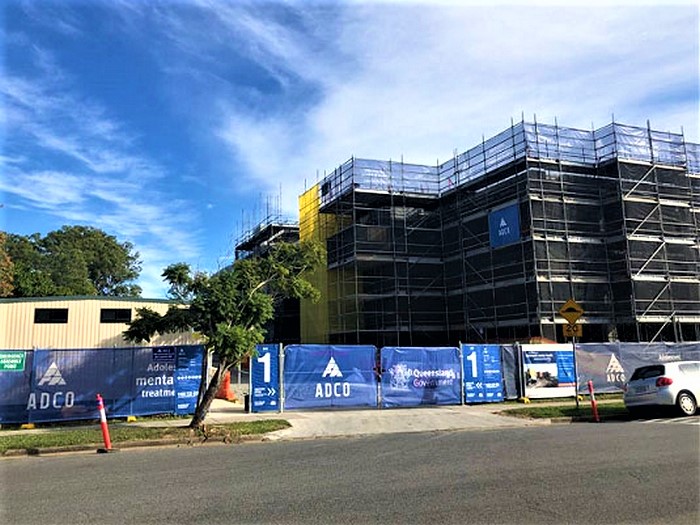
The State Government will invest almost $28 million to go towards the completion of the new Adolescent Extended Treatment Facility at the Prince Charles Hospital and other adolescent mental health facilities in SEQ.

Under the State 2019-20 Budget, a total of $27,946,000 will be allocated for the  Adolescent Extended Treatment Facility at the Prince Charles Hospital, which is already  undergoing construction, as well as the construction of two new adolescent Step Up Step Down units in Brisbane and the refurbishment of two adolescent Day Program spaces at Logan and the Gold Coast.

Being one of the State Government’s key priority sectors, Healthcare will get a record allocation of $19.2 billion, up by $929 million from last year’s under 2019-20 Budget. The health budget will ensure that more doctors, nurses, and allied health professionals are employed and more hospitals are built to keep Queenslanders healthy and active.

The Prince Charles Hospital Adolescent Extended Treatment Facility

Located at the Prince Charles Hospital campus in Chermside, the Adolescent Extended Treatment Centre is being constructed for adolescents from across Queensland who are suffering from severe mental health issues.

Photo Credit: The State of Queensland (Queensland Health) 1996-2019 / health.qld.gov.au

Once it opens in 2020, the Treatment Centre will provide inpatient treatment and rehabilitation for an extended period. The facility will have 12 residential places/beds with statewide catchment area and 10-day treatment places for the local community catchment. 

Photo Credit: The State of Queensland (Queensland Health) 1996-2019 / health.qld.gov.au

More health infrastructure spending to meet growing demand

Under the Building Better Hospitals Program, the State Government will spend $956.9 million to help meet the growing demand for health infrastructure. 

“We will keep the momentum going for building better hospitals,” Health and Ambulance Services Minister Steven Miles said.

“This year’s health infrastructure budget will deliver projects to ensure there are enough beds available to keep meeting increased demand.”

The health infrastructure investments this year will include: 

$36.3 million commitment for the redevelopments of the Logan, Caboolture and Ipswich Hospitals as part of the Building Better Hospitals program.

  • $78.6 million to continue the redevelopment of the Roma Hospital and upgrade of the Gladstone Hospital Emergency Department.
  • $1.4 million for the upgrade of the Redland Hospital, to provide additional Emergency Department beds and birthing facilities.
  • $40.7 million for projects in the Rural and Regional Infrastructure Package, including the construction of a new community hospital in Blackall and redevelopments of the Sarina and Kingaroy Hospitals, Townsville Hospital’s Clinical Services and Maryborough Emergency Department and Specialist Outpatient Department.


Multi-storey Car Park to be Built at The Prince Charles Hospital

The Queensland government announced its plans of building a multi-storey car park at The Prince Charles Hospital in Chermside West to ease hospital parking stress.

The state government has previously stated its plans to spend up to $7.5 million in the next four years to make car parking at public hospitals more affordable and accessible.

Photo credit: qlddata.com.au

For The Prince Charles Hospital, a second car park is set to be built in the premises. This will be publicly controlled, thereby promising to have fair fees for all patients.


Read: Chermside’s TPCH Exploring Hospital Car Park Expansion; $7.5M Set Aside for Queensland Hospital Parking


Brisbane councillor for Marchant Fiona King previously filed a petition for the state government to evaluate the need for additional parking for the hospital. She emphasized the need to consider the situation as a matter of urgency. The petition garnered a total of 219 signatures.

Health Minister Steven Miles confirmed that Queensland Health will be in charge of managing and financing the construction of the second multi-storey car park.

The construction will be funded by a loan from the Queensland Treasury which will be repaid by revenue from the carpark.

CCO Public Domain / Tama66 / Pixabay

Mr Miles said it was clear that the government should be the one to build the carpark, not the private sector, so that staff, patients, and visitors can expect lower parking charges. Instead of delivering profits to shareholders, the car park would only need to cover its costs.

Whilst the number of parking spaces and exact location is yet to be determined, the government is now working on developing the plans for the new car park. According to the Health Minister, once the design is finalised, construction will take around 18 months.

Chermside’s TPCH Exploring Hospital Car Park Expansion; $7.5M Set Aside for Queensland Hospital Parking

Car parking at public hospitals in Queensland may soon be less burdensome as the state government plans to spend up to $7.5 million in the next four years to make car parking at public hospitals more affordable and accessible.

The budget is part of the state government’s four-point action plan, which will include expansion of car park facilities at public hospitals such as The Prince Charles Hospital (TPCH) in Chermside.

“I know the cost of car parking is a real concern for many patients, carers and their families,” said Health Minister Cameron Dick.

To address the parking needs at public hospitals, the state government will take the following actions as part of its four-point action plan.

  1.   Develop car parking concessions policies at all hospital and health services with paid parking.
  2.   Increase the number of concessional parking slots at public hospitals.
  3.   Develop future public hospital car parks.
  4.   Consider new parking options at Lady Cilento Children’s Hospital.

Government Directive

The cost of parking at public hospitals has been a major issue and burden to patients, their families and carers. The complaints had led to a petition signed by nearly 17,000 supporters, followed by a directive from the state government ordering public hospitals to make parking more affordable and accessible.

The state government issued a directive on 1 July 2017, requiring all public hospitals and health services in Queensland to come up with local policies to make car parking more accessible, safer and more affordable.

Hospitals and health services with paid parking must come up with a car parking concessions policy by 1 October 2017.

In addition, the public health facilities are also directed to develop a local staff car parking policy by 31 December 2017. This policy is intended to make parking safer on-call hospital staff or hospital employees completing or commencing shifts between 6:00 p.m. and 6:00 a.m.

Read the state Health Service Directive here.

Car Parking Expansion at Public Hospitals

Part of the solution to parking issues at public hospitals is the expansion of car parking facilities. This is already being done in some facilities across Queensland, including Rockhampton Hospital, which will soon see the construction of an almost 600-space multi-storey car park. The carpark will be owned and operated by the Central Queensland Hospital and Health Service.

Caboolture Hospital will be providing up to 300 new car spaces, while 500 car parks will be added at Logan Hospital.

Photo credit: Google Streetview

At The Prince Charles Hospital in Chermside, the government is looking at options to expand car park availability. One option being considered is a proposal from the current operator under the Market-Led Proposals program of the Queensland Treasury.

“Our preferred approach for new multi-storey hospital car parks is to develop a Government Portfolio Model, financed by the Queensland Treasury Corporation,” said Mr Dick.

“However, private public partnerships will be retained as an option for circumstances where it can deliver a better outcome, for example, when we are developing a large ‘greenfield’ hospital site.”