


How Marchant Park Went From War Camp to Community Hub

In the heart of Chermside, Marchant Park looks like any other suburban green space. But more than a century ago, it echoed with the sounds of hooves, boots, and military drills as young men from across Queensland prepared for the First World War.


From Marchant’s Paddock to Military Grounds

Before it became a public park, the land known as Marchant’s Paddock was transformed into “Camp Chermside” during WWI. It was a major training ground where soldiers, including the 2nd Light Horse Regiment, camped, drilled, and broke in horses before heading to war.

Photo Credit: National Library of Australia


Records show Marchant Park was a key training site in Queensland during 1914–1918. Soldiers learned to handle weapons, navigate rough terrain, and work with animals used in war zones. Life was harsh—tents for shelter, long marches in the heat, and basic meals.

Photo Credit: National Library of Australia

A Gift to the People

In 1917, soft-drink maker and philanthropist George Marchant offered to donate the land, on the condition it remain a public park that honoured those who served. The gift was finalised after the war, fulfilling his wish to preserve the site as a lasting tribute to the soldiers who trained there.

Photo Credit: National Library of Australia

Photo Credit: National Library of Australia

Brisbane City Council records show Marchant’s gift came as memorial parks were becoming popular in Australia, spaces that honoured war service while serving the community. Marchant Park became one of Brisbane’s earliest examples.

Preserving a Legacy

Over time, the community added features to honour the park’s military past. The Kedron Shire War Memorial Gates were built in 1924, listing local soldiers, and the park later became part of Seventh Brigade Park—named after a WWI unit that trained in Queensland. These reminders still stand, though many may not know their full meaning.

Photo Credit: National Library of Australia

During World War II, nearby Sparkes’ Paddock became an army camp, and Marchant Park was used for vehicle testing and driver training. The park stayed public land, though soldiers used the George Hastie Cricket Pavilion during that time.

Photo Credit: National Library of Australia

Today, Marchant Park is a place for families, sporting groups, and weekend barbecues. Yet underneath the grass where cricket players now run, history is buried, stories of young men who trained there before being sent far from home.

A Community Connection

Photo Credit: Google Maps

The Chermside & Districts Historical Society has spent years researching the park’s past. Their work, along with articles archived on Trove from 1917, helps paint a full picture of how the park went from military ground to community treasure.


Locals who walk through Marchant Park may not know the full story, but its legacy is woven into the suburb’s identity. From horse drills to playgrounds, the land has changed but the community’s commitment to remembering those who served has stayed the same.

Updated 21-June-2026
Temporary CCTV Camera Installed At Marchant Park Carpark After Safety Concerns

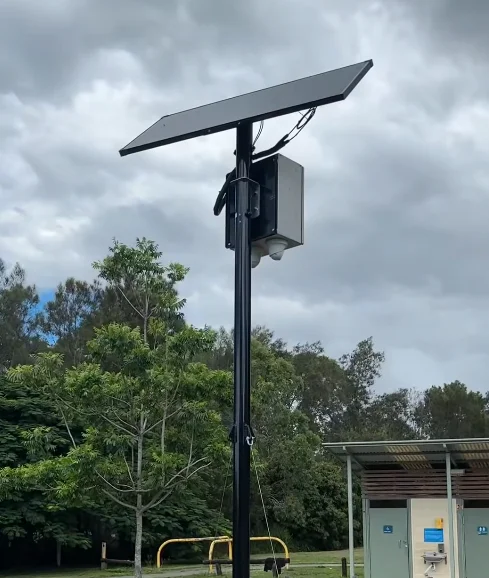
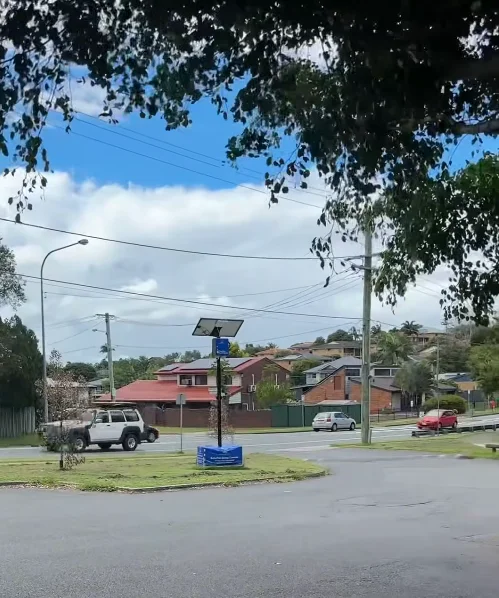
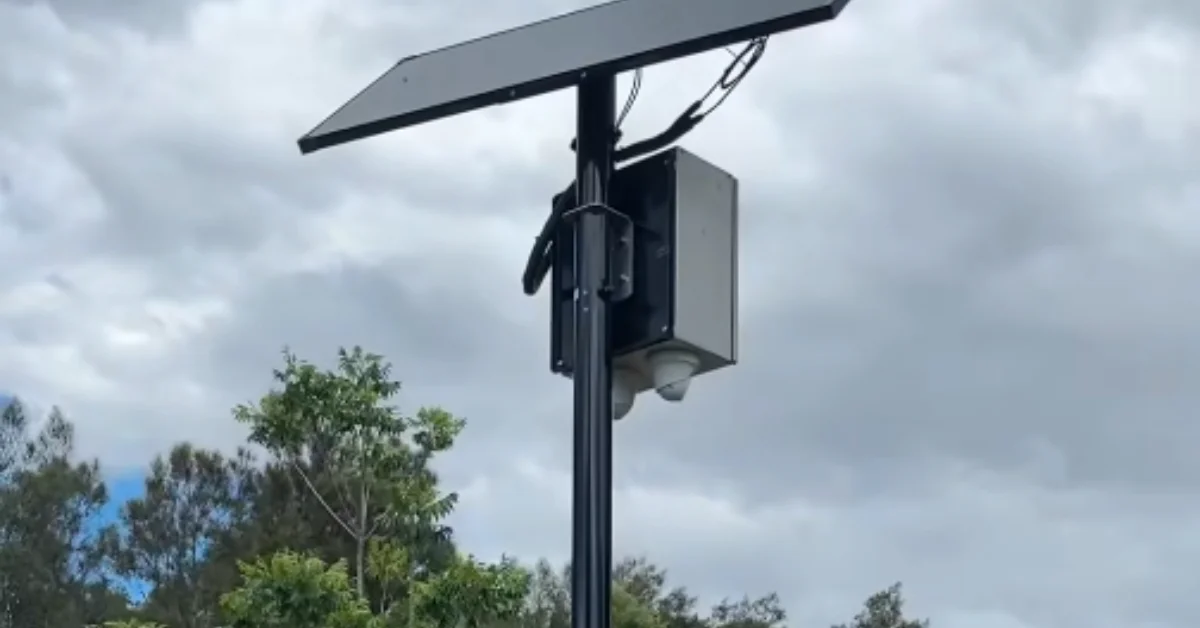
A temporary CCTV camera has been installed at Marchant Park carpark after concerns were raised about anti-social behaviour, bringing added visibility to a space used daily by families, walkers and local sporting groups.


A Familiar Park With A New Presence

For many in the area, Marchant Park is part of everyday life. It is where families gather, where walkers pass through, and where sporting clubs train and compete. The carpark sits at the centre of this activity, acting as the main entry point for people arriving throughout the day.

The recent installation of a temporary CCTV camera marks a noticeable change in this familiar setting. Positioned in response to concerns about behaviour in the carpark, the camera is intended to help deter issues and support a safer environment for those using the space.

CCTV Brisbane
Photo Credit: CrDanitaParry/Facebook

Responding To What’s Happening On The Ground

The addition of the camera reflects a direct response to issues raised about the carpark. Rather than a broad or general measure, it focuses on a specific location where concerns have been identified.

By increasing visibility in the area, the camera aims to discourage behaviour that affects how the space is used, particularly in a park that sees a steady mix of visitors throughout the day.

Part Of A Larger Safety Network

The camera at Marchant Park sits within a wider network of more than 4,500 safety cameras operating across Brisbane. These include permanent, temporary and mobile units placed in public areas.

The network is designed to support safety by monitoring activity, deterring harmful or disruptive behaviour, and assisting in identifying people involved in incidents when they occur. Some cameras, including mobile units, operate continuously to provide ongoing surveillance in selected locations.

How Footage Is Handled

Footage from the network is monitored and stored under strict controls. Recordings are encrypted and kept for at least 31 days, with longer storage periods applied when incidents occur.

Access to footage is limited to authorised personnel, and all access is logged. Requests for footage must go through formal processes, with access granted only under specific conditions.

Marchant Park CCTV
Photo Credit: CrDanitaParry/Facebook

Keeping Everyday Spaces Safe


For those who regularly use Marchant Park, the camera represents a practical step aimed at maintaining a safe and welcoming space. While the park continues to serve its usual role as a place for recreation and community activity, the added presence of CCTV reflects an effort to address concerns and support its ongoing use by the public.

Published 3-Apr-2026

5 Interesting Facts About Philanthropist George Marchant of Chermside and Taringa

Best known for building the largest soft drink business in Australia and the name behind Marchant Park of Chermside, George Marchant is considered one of Queensland’s greatest philanthropists.

Marchant was honoured by the Queensland Business Leaders Hall of Fame for his philanthropic legacy to north Brisbane. Get to know the interesting details about him and the reason why he was dubbed the state’s most generous man. 

He set sail in Australia at the age of 17.

Marchant was born 17 November 1857 in the village of Brasted in Kent, England. He set sail for Australia with only 30 shillings in his pocket. He arrived in Brisbane alone in 1874, when he was only 17 years old. 

After a short period of country work, he learned the essentials of running a carbonated water business when he worked in an aerated waters factory. 

He donated his Taringa home to children with disabilities.

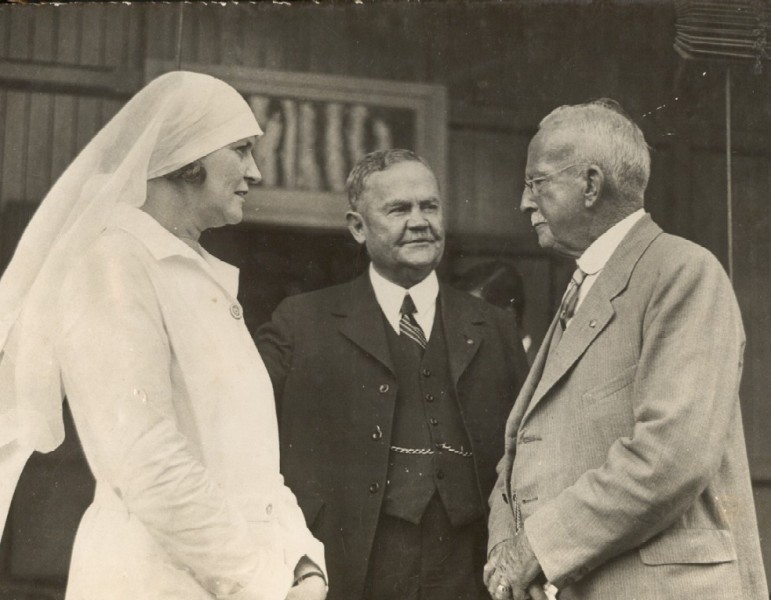
From left to right – The first “matron” at Montrose Jessie Peters, with Mr J Isles and George Marchant (Photo Credit: montrose.org.au)

J Isles, who was involved in Brisbane Rotary arranged a public meeting to discuss the best way of assisting children affected by Polio epidemic in 1932. Despite having never met Isles before, George Marchant came to his office one day and said, “You need a place for these children, I’ll give you my house.” 

He donated his Queenslander house in Swann Rd, Taringa to The Queensland Society for Crippled Children (now known as Montrose) in 1933. 

He was fascinated with Temperance Movement as a boy.

Temperance movement is a social movement against the consumption of alcoholic beverages. Supporters of the movement encourage others to practice abstinence from alcohol, pointing out its negative effects on people’s health, personalities and family lives.

Historian Helen Gregory said George’s father seems to have been an alcoholic. “I think George had great unhappiness in that regard and his aversion to alcohol, which he maintained for his entire life, possibly stems from his childhood experiences,” Gregory recounted.

He invented the soft drink bottling machine. 

Marchant invented and patented a bottling machine while gradually expanding his ginger beer manufacturing business in Spring Hill. The machine attracted a lot of attention not just in Australia but worldwide, which was rare for something developed in Queensland in that era.

“He developed a rapid bottling machine which meant he could turn out dozens and dozens and dozens of bottles of soft drinks, carefully sealed, in the time that perhaps other factories were only producing a few,” Gregory said. 

Marchant Park is named after him.

In 1899, the Marchant family acquired the 100-acre paddock at Chermside. They used it as a spelling area for their delivery wagon horses. It also served as a training camp for the army during the First World War, before the Marchants had it again in 1919. 

When the war ended, the State government approached the Marchants to turn 10-acres of their lot into a park. The family offered the Council their entire paddock for free given that they shifted the blacksmith, August Vellnagel, to the other side of Gympie Road on to the Shire paddock. Vellnagel resisted at first but eventually decided to go.

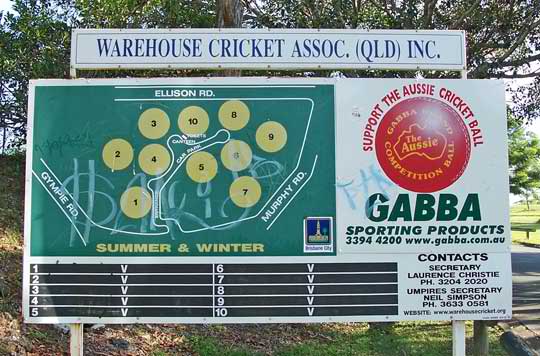
Fast forward to present day, the Marchants’ paddock is already known as the Marchant Park, the largest cricket field in Brisbane.