


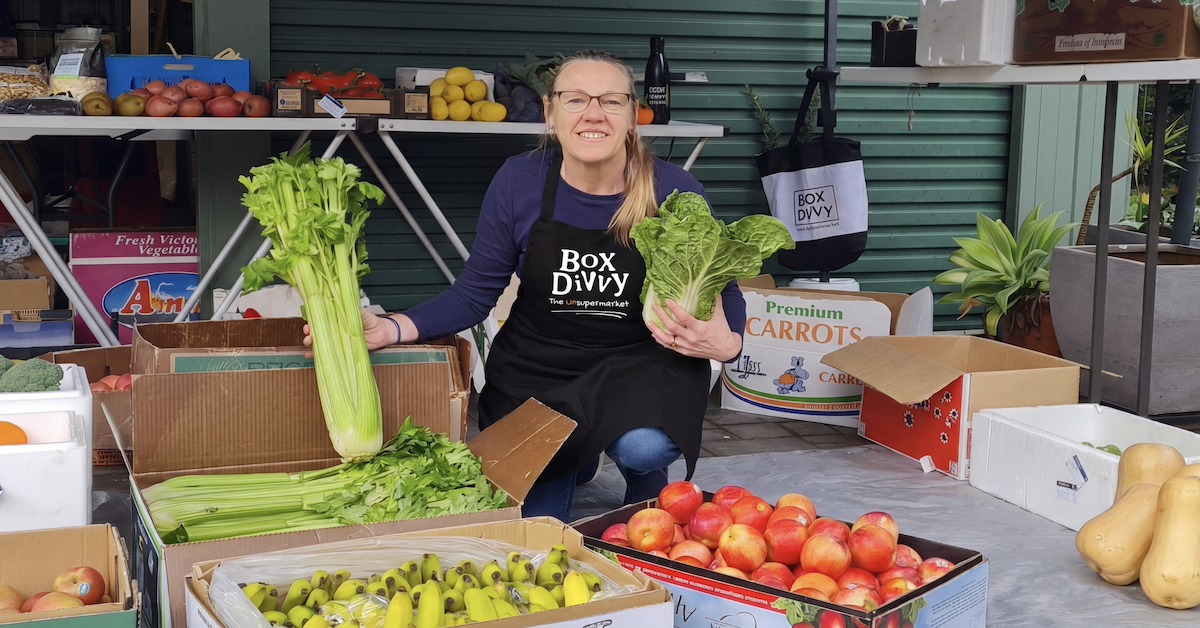
Chermside residents have a new way to buy fresh food nearby, with community food network Box Divvy opening a neighbourhood Hub in Zillmere as part of its first expansion into Queensland.
The Zillmere Hub is one of five opening across the state, alongside another northside location at Banyo and three southside Hubs at Browns Plains, Kingston and Regents Park.

Box Divvy already has more than 400 neighbourhood Hubs supporting almost 16,000 families across NSW, the ACT and Victoria. Instead of operating conventional stores or delivering separately to every household, it groups customers’ orders and delivers them in bulk to a local Hub for collection.
Its Queensland launch also comes with an eye-catching price comparison.

On 17 August, Box Divvy priced a basket of 21 fresh produce items at $86.37 through its network, including the Hubster fee. It said the same basket cost $142.62 using a major supermarket’s online prices that day — a difference of 39 per cent.

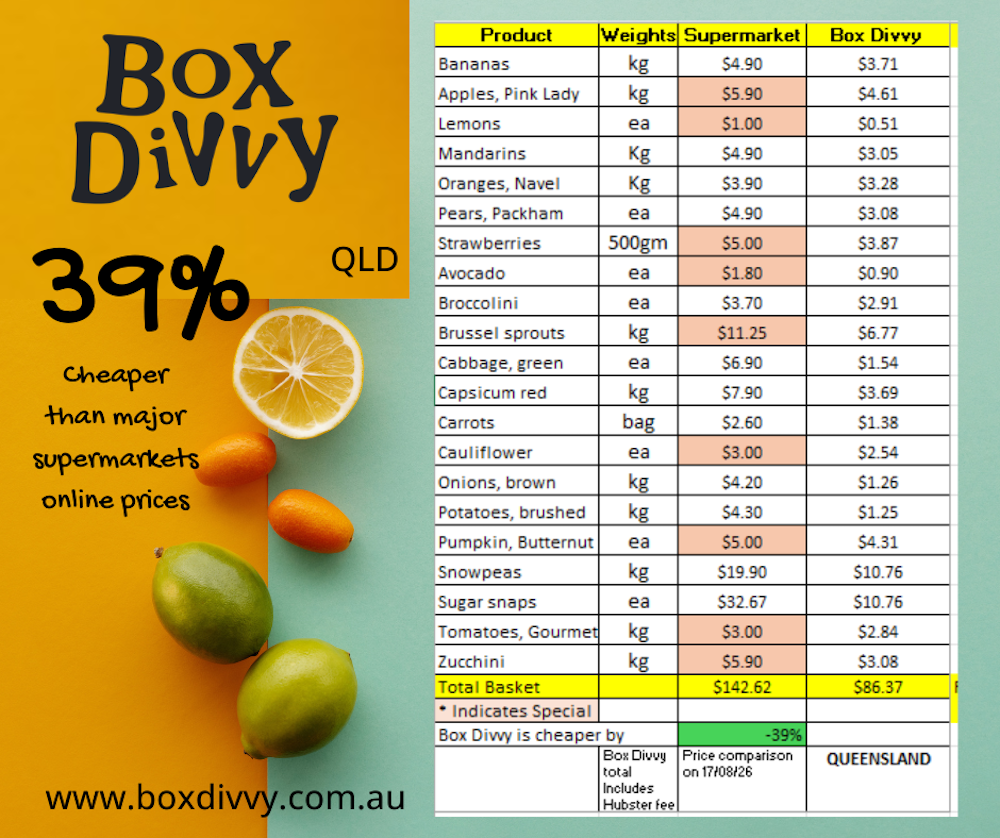
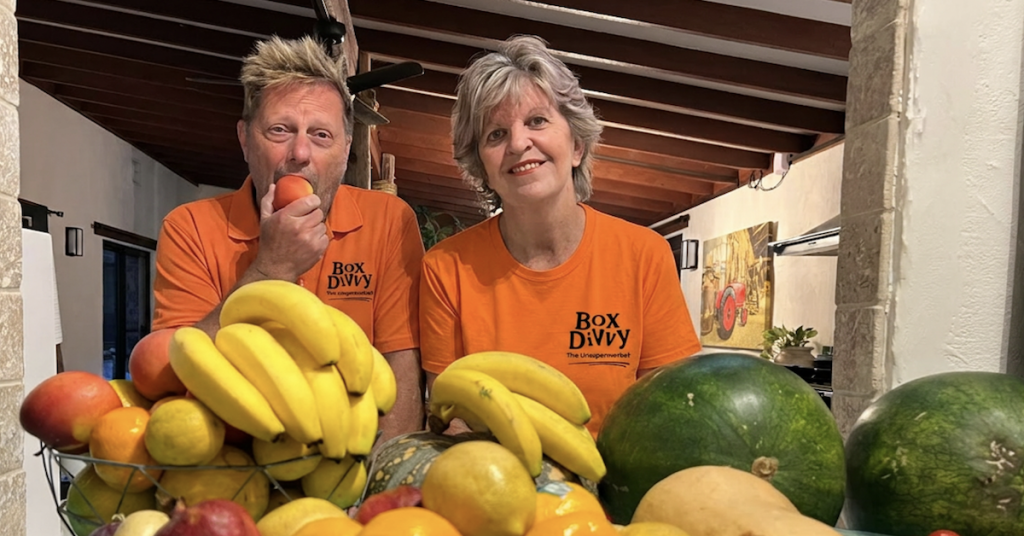
The comparison was conducted by Box Divvy itself and represents prices on one particular day. Co-founders Jayne Travers-Drapes and Anton van den Berg say shoppers should not expect to save 39 per cent every week.
Fresh produce prices change with seasons, weather and supply. More typically, they say, Box Divvy can be up to 30 per cent cheaper on a seasonal basket.
How Does a Neighbourhood Hub Work?
There are no Box Divvy stores.


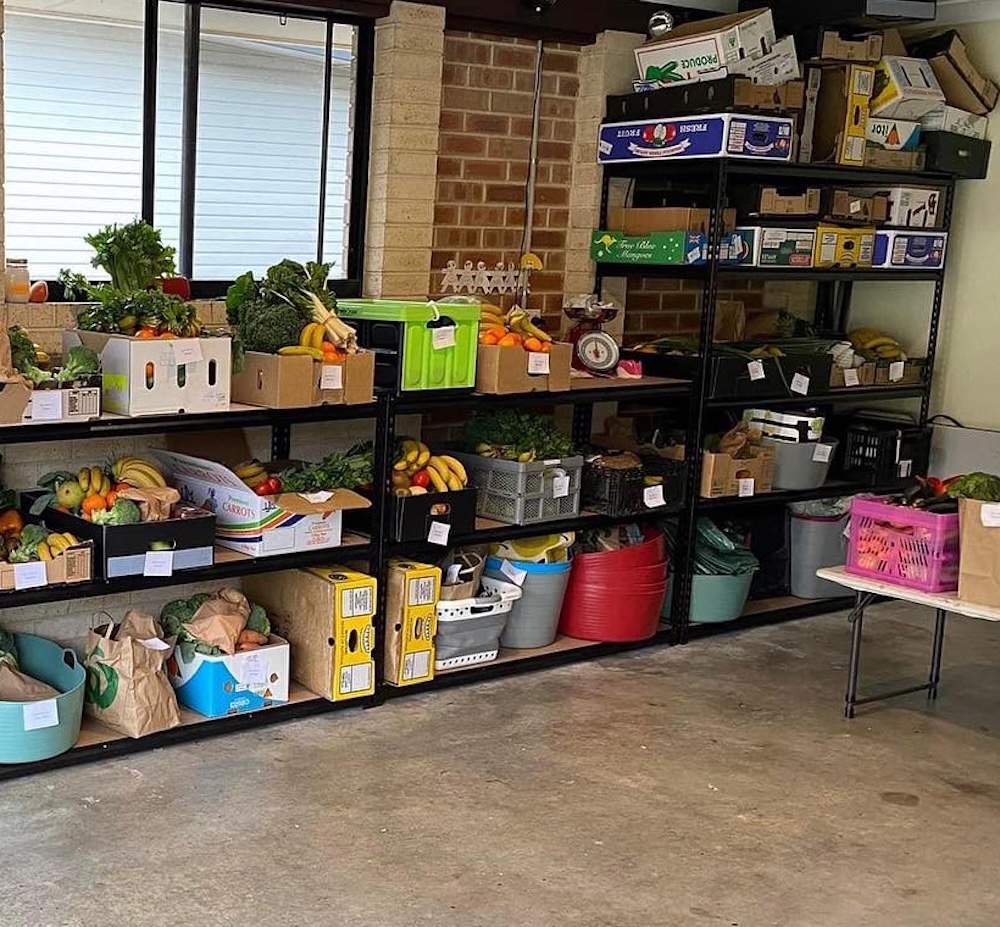
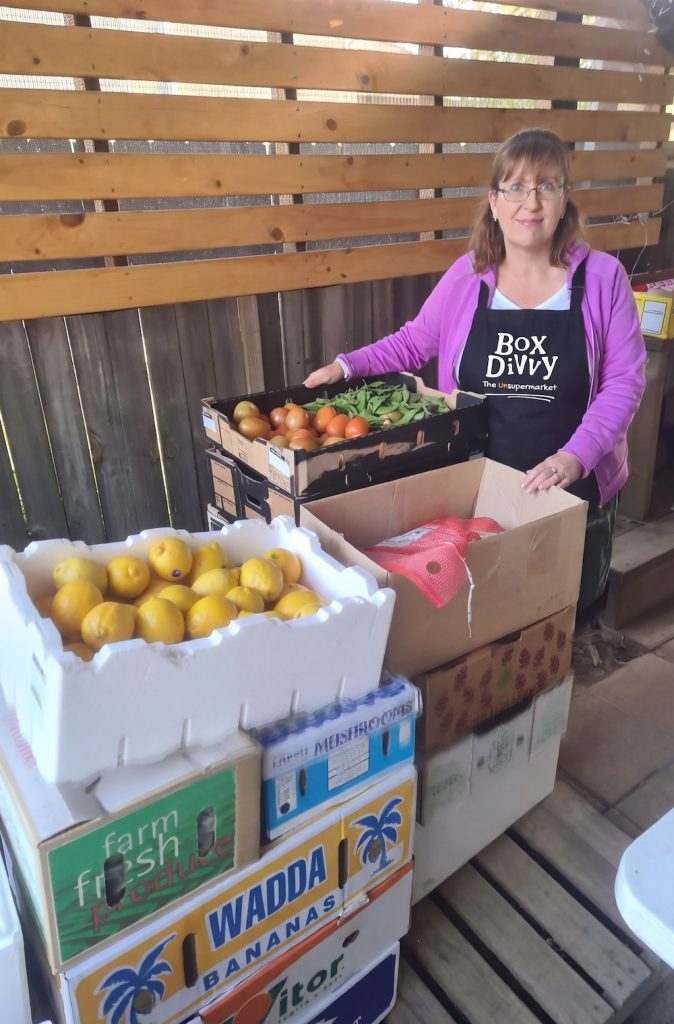
Members order online each week and their purchases are combined into a bulk delivery to a neighbourhood Hub, which can operate from a garage, carport or community space. The local operator, known as a “Hubster”, separates the delivery into individual orders for members to collect.
The idea began with a question.
“Why does good food have to be so expensive when farmers are often receiving a relatively small share of what consumers pay?” the founders said.
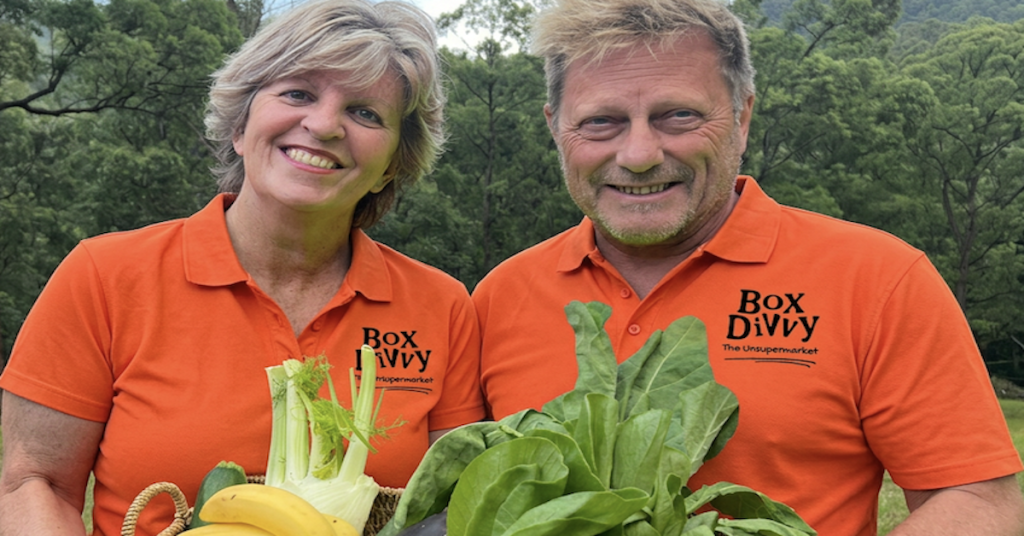
Their answer was to combine the buying power of a neighbourhood while still allowing households to customise their own orders.
As more people began setting up Hubs themselves, Travers-Drapes and van den Berg realised the concept could grow beyond a single street co-op.
Where Do the Savings Come From?
Box Divvy says much of the difference comes from packing and delivery.
Instead of individually packing every household order before delivery, produce can be bulk-packed for each Hub — perhaps 16 kilograms of Pink Lady apples or 23 kilograms of bananas — and divided locally.
Deliveries are consolidated too. The founders say a six-to-eight-hour delivery run can handle the equivalent of 150 to 200 household orders because the vehicle stops at Hubs rather than individual homes.
The model also avoids the costs associated with operating conventional retail stores.
“So the savings aren’t coming from squeezing farmers,” the founders said. “The aim is to remove unnecessary costs between the farmer and the household, and share that value more fairly.”
Produce does not necessarily have to conform to supermarket presentation standards either.
“A wonky carrot or an unusually large zucchini doesn’t suddenly become a problem because it doesn’t conform to a supermarket display standard,” they said.
Shopping With the Seasons
The model encourages shoppers to follow what is plentiful rather than expect exactly the same produce throughout the year.
“When something is plentiful and at its best, that’s often when consumers get the best value,” Travers-Drapes and van den Berg said.
After working with thousands of households, the founders say they have found shoppers are more flexible than they initially expected. Price matters, but so do freshness, quality and knowing where food comes from.
The community element was something they underestimated.
“People join for cheaper food, but they stay because they have become part of a local community,” they said. “The food is the catalyst; the community is one of the unexpected benefits.”
Queensland Produce for Queensland Hubs
Box Divvy has partnered with Suncoast Fresh to fulfil and deliver orders to the new Queensland Hubs.
The Noosa-founded produce supplier works directly with more than 40 local farms, while Box Divvy says it already buys from a number of Queensland farmers.
The founders say Queensland will not simply be treated as an extension of the company’s NSW operations. The state’s growing regions, seasons, weather and existing supply networks will help determine what is available.
“Queensland isn’t simply an extension of our NSW operation,” they said. “It has its own growing regions, seasons, weather patterns and supply networks.”
Two Hubs on Brisbane’s Northside
The Zillmere Hub is one of two northside locations in Box Divvy’s first Queensland rollout, with another opening at Banyo.
Three more Hubs have opened south of Brisbane at Browns Plains, Kingston and Regents Park.
Box Divvy is looking for more Queenslanders interested in establishing neighbourhood Hubs, but its founders say they will not measure success simply by how many open.
They want families to spend less while eating well, Hubsters to build local communities and farmers to have another route to market.
“If those five founding Hubs become the seeds for hundreds of thriving Queensland communities, while households are saving money and growers are getting a better connection to their customers, that’s what success looks like to us,” they said.
For Chermside residents, nearby Zillmere provides one of the first places on Brisbane’s northside to try the model, as Box Divvy begins building its Queensland network.
Published 27-Aug-2026