



Brisbane’s winter sports season is in full swing, and The Prince Charles Hospital‘s Emergency Department is treating a surge of children and adults with contact sport injuries including ankle sprains, knee injuries and concussions.
It happens every year. As the cooler months bring football codes, netball and soccer back into action, the injuries follow.

The most common injuries
Lower limb injuries, particularly to the knee and ankle, make up a significant portion of sports injury presentations at the ED. Emergency Staff Specialist Dr Faye Jordan said suspected fractures should be prioritised.
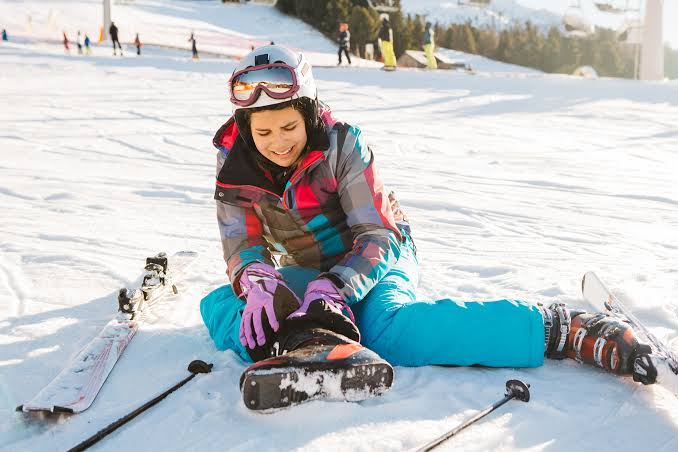
“Suspected fractures should be seen to as a priority, ideally through the local emergency department where x-rays can be used to confirm the diagnosis,” she said.

Musculoskeletal injuries respond better to early assessment. Playing through pain risks a minor problem becoming a season-ending one.

When a head knock happens
Concussion is one of the most common injuries managed by the ED and requires careful attention from the moment it happens. The rule is simple: any knock to the head means off the field, no exceptions, until a proper medical assessment has been done and the child is specifically cleared to return.
“It’s important for parents and teachers to remember the single most critical step — if a child takes a knock to the head, they should come off the field immediately and not return to play until they have been properly assessed and specifically cleared to do so,” Dr Jordan said.
Headache, difficulty remembering events before or after the knock, and trouble concentrating are common signs — but not all concussions show symptoms straight away. That’s exactly why caution matters more than gut feeling.



The first 48 hours matter
A second impact before the brain has recovered can significantly worsen the original injury and extend recovery time.
Children should be removed from contact sport and physical education immediately following any head knock, not just when symptoms appear.
Reduced screen time and light exercise such as walking in the first 48 hours can speed recovery. Dr. Jordan warns that players should strictly avoid returning to sport prematurely to prevent secondary reinjury.
Reducing injury risks
Regular training helps young athletes build the skills and physical resilience needed to reduce injury risk.
Beyond that, Dr Jordan’s advice is straightforward: warm up properly, wear correctly fitted protective equipment including mouthguards and headgear, and come off the field if something hurts rather than pushing through and turning a minor issue into a significant one.
Knowing where to seek help
The Prince Charles Hospital Emergency Department is at Rode Road, Chermside, and handles urgent and critical presentations.
For injuries that need attention but are not an emergency, GPs, urgent care clinics, Satellite Health Centres and the Virtual Emergency Care Service are all faster and more appropriate options. Health advice is available around the clock by calling 13 HEALTH (13 43 25 84).
Published 10-July-2026