



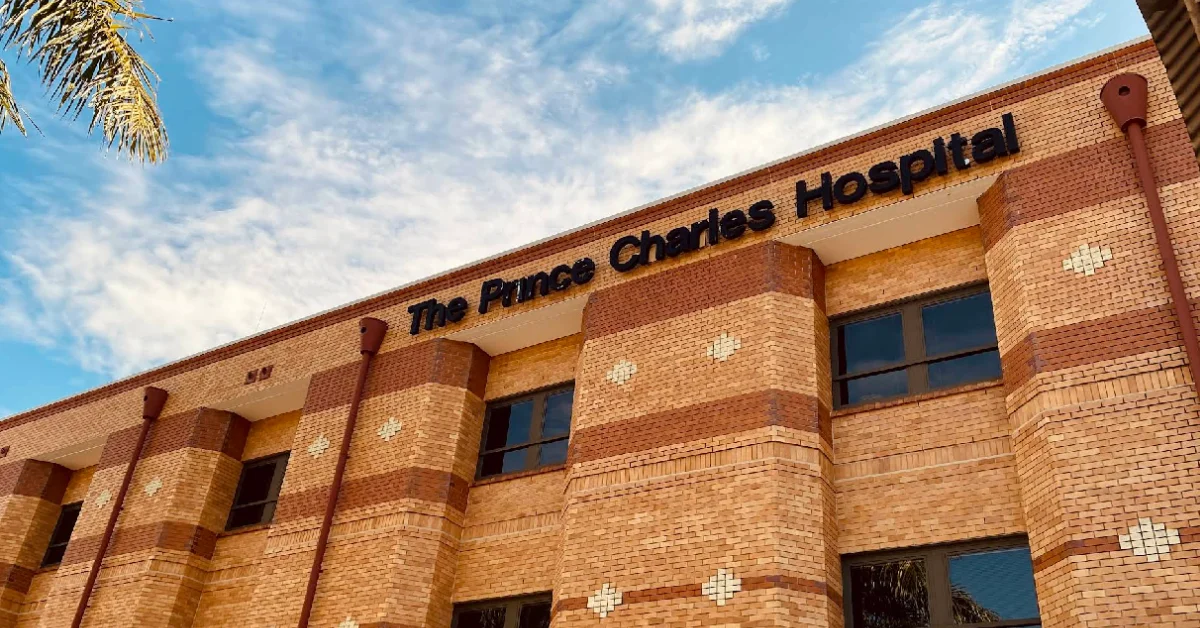
A hospital in Chermside required an obsolete electrical component to manage a high-risk power system issue, highlighting broader maintenance pressures across Queensland’s public hospital network.
Electrical System Risk at Chermside Hospital
The issue occurred at The Prince Charles Hospital, where electrical equipment was assessed as being at very high risk of failure and in need of replacement. Parts required to maintain the system were no longer manufactured, limiting standard supply options.

To address the immediate risk, a critical component was sourced from an electrician’s stored old stock kept in a private garage. The part allowed the hospital and health service to stabilise the system and reduce the likelihood of electrical failure.

Ageing Infrastructure and Maintenance Backlog
The incident reflects wider challenges identified in a recent health audit examining hospital assets across Queensland. As at 30 June 2025, reported maintenance needs across hospital and health services totalled $2.6 billion, an increase of $587 million from the previous year.

The audit noted that deferred maintenance is affecting service delivery in some facilities, particularly where ageing systems are difficult to maintain due to discontinued components.

Impact on Health Services
The report highlighted unresolved water purification and plumbing issues at one unnamed hospital that disrupted clean water supply to renal and pathology services. As a result, dialysis services were unavailable for six months, requiring patients to travel to other hospitals for treatment.
The issue remained unresolved during the period examined.
Operational Safeguards and Financial Context
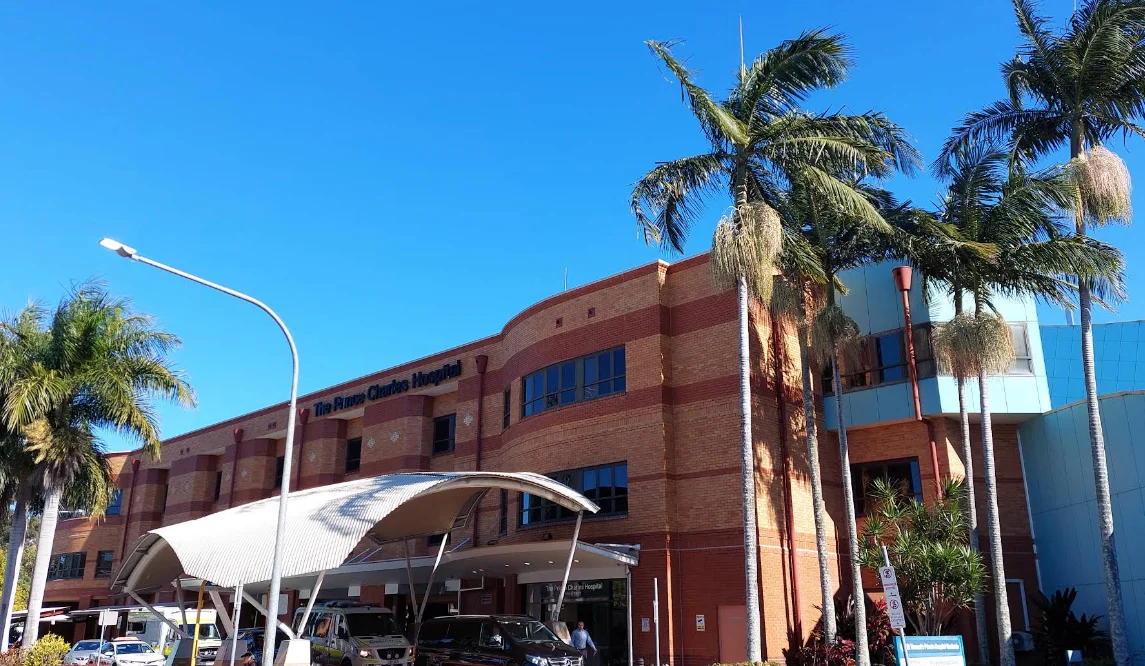
Health authorities have stated that clinical areas are supported by backup generator systems designed to activate quickly in the event of power interruptions. They have also indicated that processes are in place to secure replacement parts when maintenance is required, while noting that product discontinuations are outside their control.


The audit also reported a combined operating deficit of $960.6 million across the public health system in the 2024–25 financial year, compared with $14.1 million the year before. Increased staffing, service demand, and asset maintenance costs were identified as contributing factors.
Published 26-Jan-2026