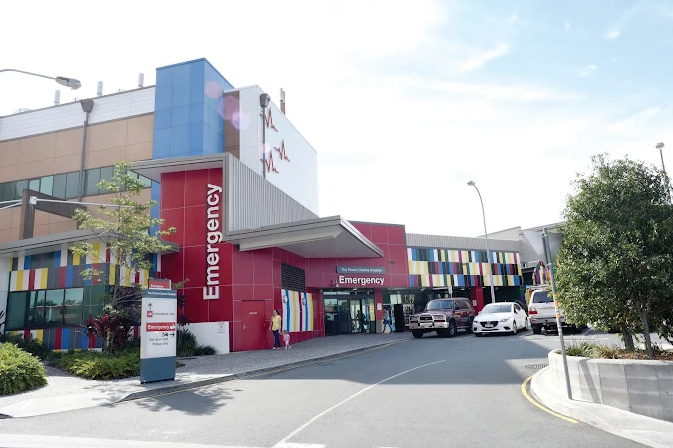



A Queensland parliamentary petition calling for free or heavily subsidised parking for public hospital staff has put the cost of getting to work under the spotlight, with The Prince Charles Hospital in Chermside among the facilities named in the campaign.
Petition No. 4633-26, titled Abolish paid parking fees for Queensland Public Hospital healthcare staff, raises concerns about the financial strain and safety risks associated with workplace parking fees for doctors, registrars, nurses, paramedics, and allied health workers.
The petition stated that healthcare workers at hospitals across Queensland, including The Prince Charles Hospital, can be required to pay up to $1,700 a year to park at work. It argues the expense places an unreasonable financial burden on essential workers during the cost-of-living crisis.
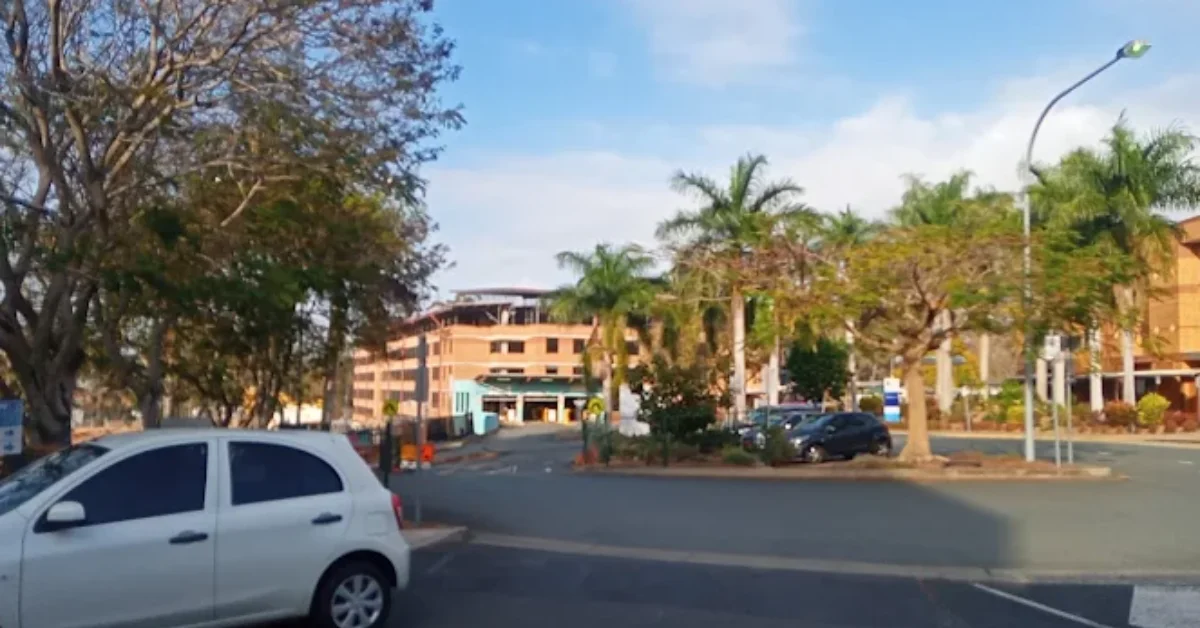
Photo credit: Google Maps/The Prince Charles Hospital
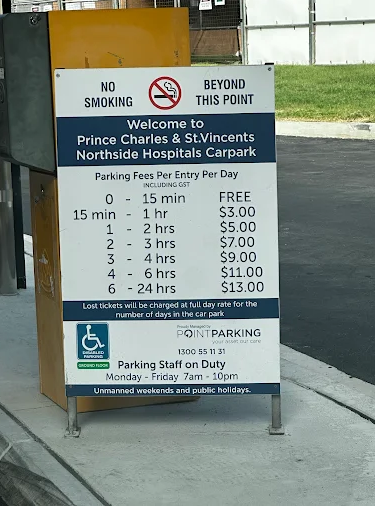
The issue has a direct connection to Chermside. Parking at The Prince Charles Hospital costs $13 a day, or $65 for a working week, according to figures published by the Together union in May. The same figures stated that visitors at the Royal Brisbane and Women’s Hospital pay $48 for more than three hours.
For staff who regularly drive to The Prince Charles Hospital, that daily charge represents an ongoing out-of-pocket expense. The petition’s broader argument is that hospital workers should not have to absorb substantial parking costs simply as a condition of attending their workplace.
Safety concerns for shift workers
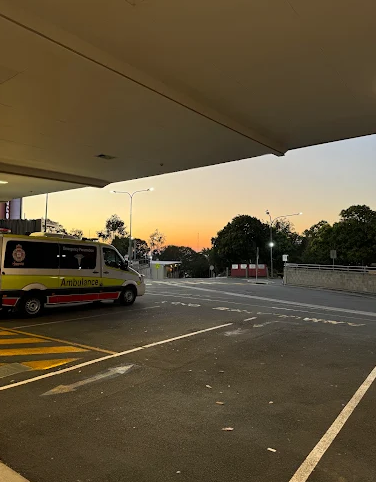
Photo credit: Google Maps/Luke
The financial argument is only part of the campaign. Petitioners have also raised concerns about the safety of staff working shifts that begin early or finish late at night. The petition argued that public transport is not always a viable or safe alternative for workers finishing after services have ceased.
Campaigners have separately claimed that some hospital employees park further away to avoid parking fees before walking back to their cars after late or overnight shifts. Those claims form part of the campaign for changes to hospital parking arrangements and should not be taken as evidence that every worker at The Prince Charles Hospital faces the same circumstances.
The issue has already been raised outside the hospital itself. On May 13, health workers held a lunchtime rally near Rode Road in Chermside, close to The Prince Charles Hospital, calling for an end to hospital parking fees. The Together union said workers and patients were dealing with rising costs for groceries, fuel and housing while also being charged to park at hospital sites.
Photo credit: Google Maps/Andres Diaz
The petition is asking Queensland Parliament to review parking policies across public hospitals, reverse recent increases in staff parking fees and consider free or heavily subsidised parking for frontline employees.
For Chermside hospital workers, however, the debate is more immediate. A $13 daily parking charge may look modest in isolation, but repeated across regular shifts it becomes another cost attached to simply getting to work.
The petition remains open until October 26, giving Queensland residents more time to add their names before it proceeds through the parliamentary petition process.
The debate now centres on whether parking at public hospitals should remain an expense carried by healthcare workers, or whether staff providing essential services should receive greater financial relief.
In the heart of Chermside, Marchant Park looks like any other suburban green space. But more than a century ago, it echoed with the sounds of hooves, boots, and military drills as young men from across Queensland prepared for the First World War.
Before it became a public park, the land known as Marchant’s Paddock was transformed into “Camp Chermside” during WWI. It was a major training ground where soldiers, including the 2nd Light Horse Regiment, camped, drilled, and broke in horses before heading to war.
Photo Credit: National Library of Australia
Records show Marchant Park was a key training site in Queensland during 1914–1918. Soldiers learned to handle weapons, navigate rough terrain, and work with animals used in war zones. Life was harsh—tents for shelter, long marches in the heat, and basic meals.
Photo Credit: National Library of Australia
A Gift to the People
In 1917, soft-drink maker and philanthropist George Marchant offered to donate the land, on the condition it remain a public park that honoured those who served. The gift was finalised after the war, fulfilling his wish to preserve the site as a lasting tribute to the soldiers who trained there.
Photo Credit: National Library of Australia
Brisbane City Council records show Marchant’s gift came as memorial parks were becoming popular in Australia, spaces that honoured war service while serving the community. Marchant Park became one of Brisbane’s earliest examples.
Preserving a Legacy
Over time, the community added features to honour the park’s military past. The Kedron Shire War Memorial Gates were built in 1924, listing local soldiers, and the park later became part of Seventh Brigade Park—named after a WWI unit that trained in Queensland. These reminders still stand, though many may not know their full meaning.
Photo Credit: National Library of Australia
During World War II, nearby Sparkes’ Paddock became an army camp, and Marchant Park was used for vehicle testing and driver training. The park stayed public land, though soldiers used the George Hastie Cricket Pavilion during that time.
Photo Credit: National Library of Australia
Today, Marchant Park is a place for families, sporting groups, and weekend barbecues. Yet underneath the grass where cricket players now run, history is buried, stories of young men who trained there before being sent far from home.
A Community Connection
Photo Credit: Google Maps
The Chermside & Districts Historical Society has spent years researching the park’s past. Their work, along with articles archived on Trove from 1917, helps paint a full picture of how the park went from military ground to community treasure.
Locals who walk through Marchant Park may not know the full story, but its legacy is woven into the suburb’s identity. From horse drills to playgrounds, the land has changed but the community’s commitment to remembering those who served has stayed the same.
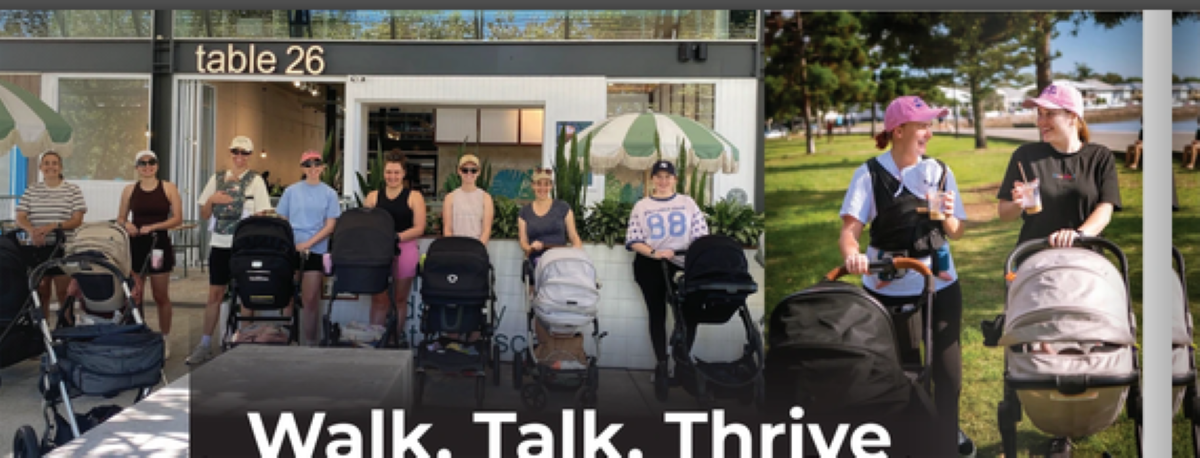
The group meets from 9am, with the walk due to start around 9.30am. Organisers say the idea is to make space for connection, movement and coffee-fuelled chats, with room for mums to come on their own, bring little ones or arrive with a support person.
It is a simple format, but one that is easy to follow. Mums meet at Table 26, grab a coffee and then head off together for the walk. The Chermside venue sits on level 1 of Westfield Chermside, near the Woolworths entrance, between Wara Sushi and Chermside Tavern.
A regular catch-up at Westfield Chermside
For local families, the location keeps things practical. Westfield Chermside is already a busy hub for shopping, errands and school-day routines, so the walk fits neatly into an ordinary Wednesday morning.
Photo Credit: HotMumWalkClub
Hot Mum Walk Club describes itself as a safe, welcoming and empowering community for mums. The group says it wants to create space for conversation and connection, whether a mum is flying solo, bringing a pram or coming along with a support person.
The Chermside walk is part of a broader network of Hot Mum Walk Club events around Brisbane and beyond. The organisation says it was created by two local mums who wanted connection, movement and a reason to finish coffee while it was still warm.
Anna’s local welcome for mum life
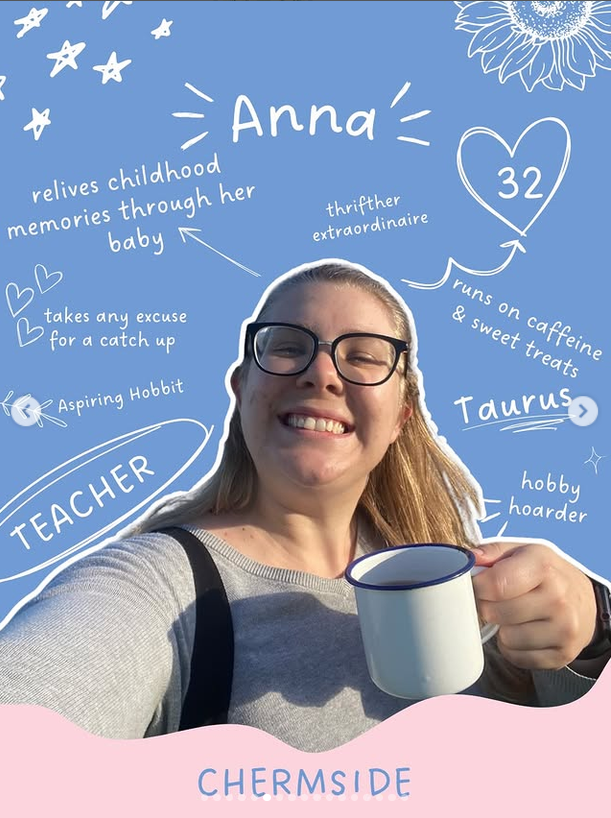
The Chermside walks are hosted by Anna, who says she is a mum to her five-month-old son, Ernest, and was previously a high school English teacher. She says she likes exploring nature spaces around Brisbane and wanted to help bring more local walks for mums into the area.
Photo Credit: IG/HotMumWalkClub
Anna says she enjoys meeting new people and seeing friendships spark through the group. She also describes herself as someone who likes a flat white, though she says she has recently been enjoying an iced tiramisu.
Her idea of a perfect morning includes finding a new op shop, browsing slowly with a friend and having a coffee in hand. She also says she is always ready to pull out a deck of cards or a tabletop game.
The club’s message to mums is simple. It says no one is left on the sidelines, the chats are real and the coffee is strong. Anna also leaves mums with a line many will recognise from the middle of the night: when you look up at the moon during those 3am feeds, there are millions of other mums right there with you.
Crime Stoppers Queensland is warning Queenslanders to stay alert for organised crime recruitment scams, after launching a new national awareness campaign in Brisbane.
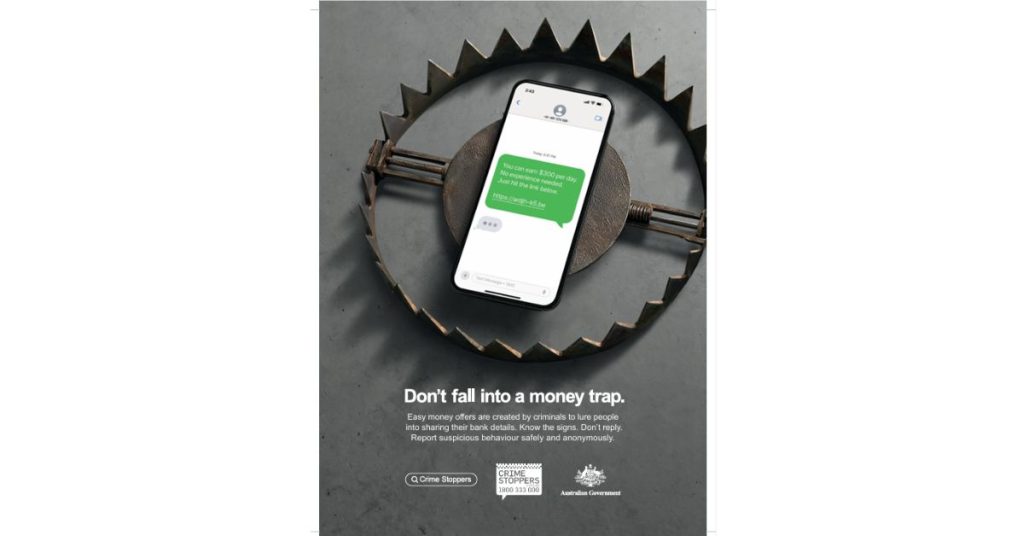
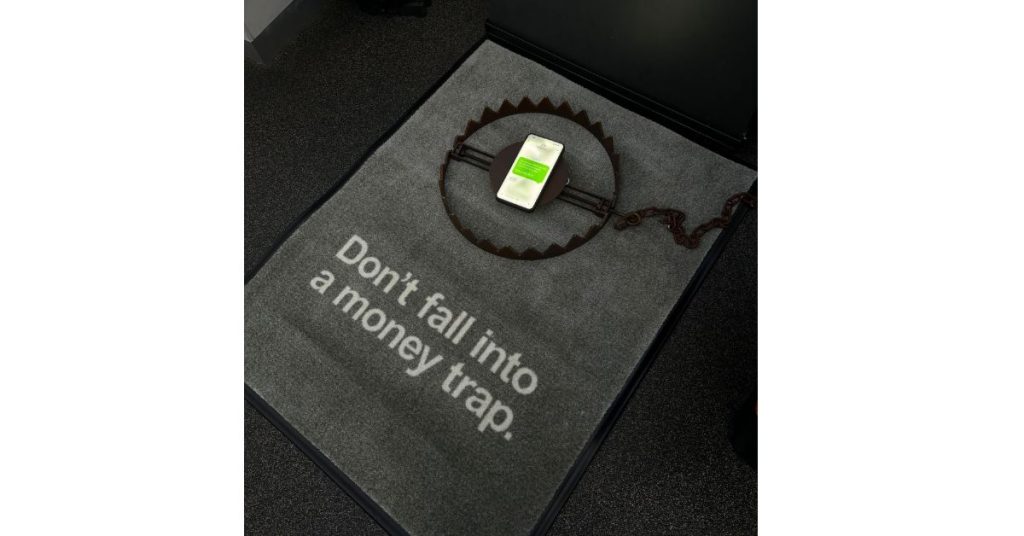
The campaign, called Money Trap, is backed by the Australian Government and aims to help people recognise warning signs before they become involved in suspicious money movements. Crime Stoppers says some people are being approached through fake job offers, social media messages and promises of easy money.
Crime Stoppers Queensland CEO David Hansen said these approaches can look convincing at first.
“Whether it’s a message on social media, an online job advertisement or someone asking to use your bank account, if it seems too good to be true, it probably is,” Mr Hansen said.
Photo Credit: Crime Stoppers Queensland
The campaign is focused on protecting international students and temporary visa holders, but Mr Hansen said the warning applies to everyone.
Local crime data puts the warning into context
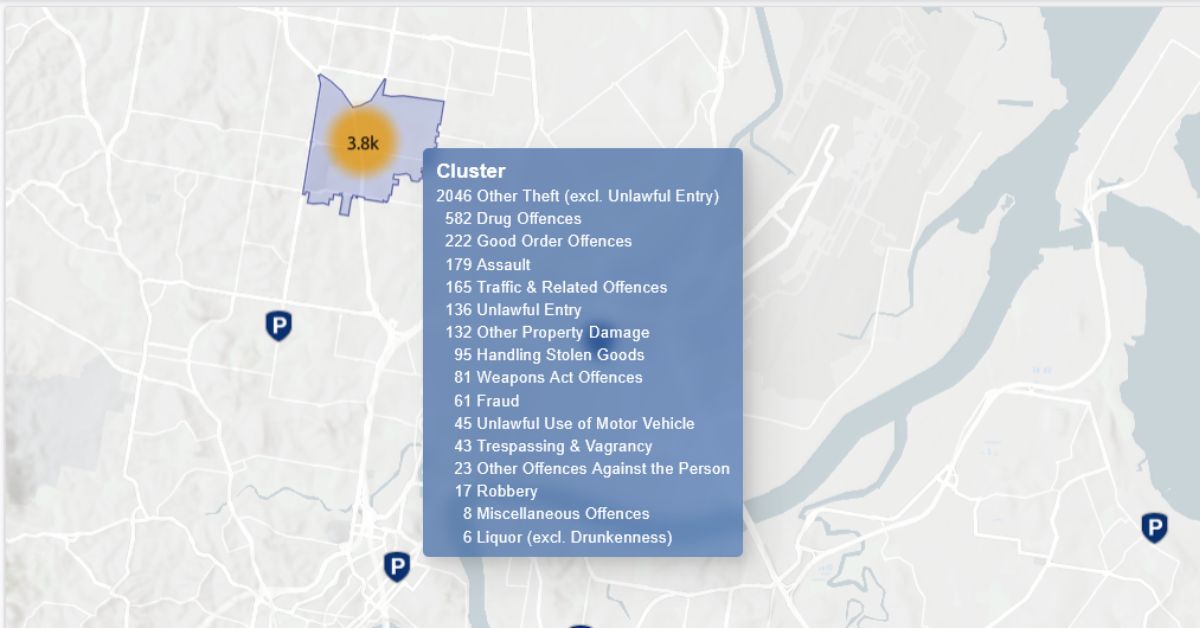
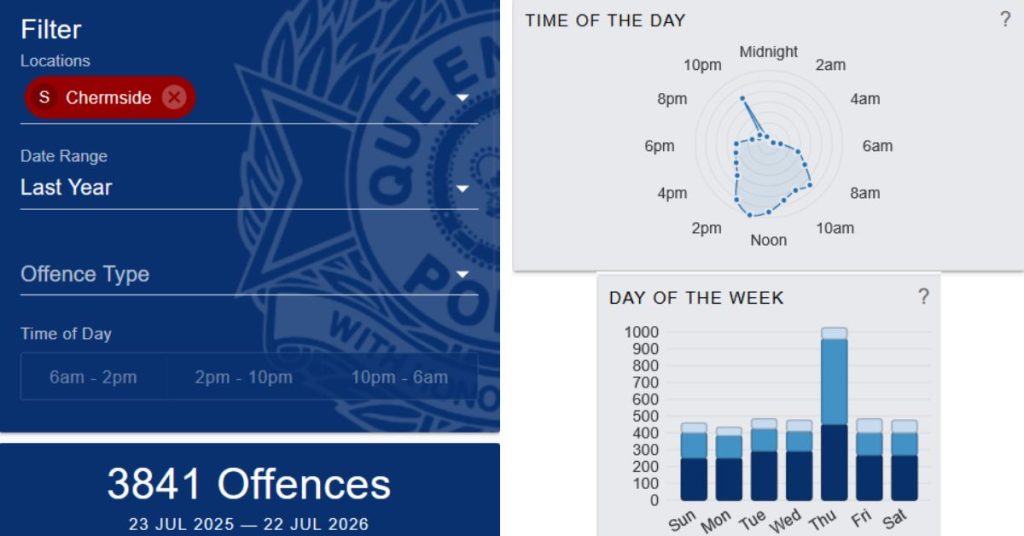
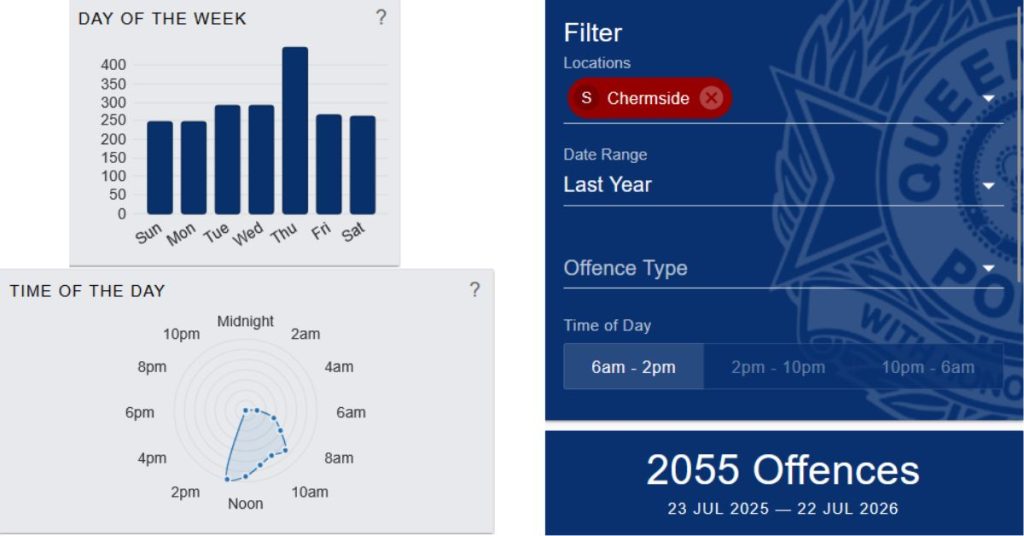
The warning comes as crime data for Chermside shows 3,841 offences recorded over the past year, from 23 July 2025 to 22 July 2026.
Photo Credit: QPS Online Crime Map
The largest category was other theft, with 2,046 offences. Other recorded offences included drug offences with 582, good order offences with 222, assault with 179 and traffic and related offences with 165.
The data also shows that 2,055 offences happened between 6am and 2pm, and Thursday recorded the highest number of offences across the week.
Photo Credit: QPS Online Crime Map
The figures do not relate to the Money Trap campaign itself, but they show why residents may want to stay careful about the messages, offers and requests they receive online.
The warning signs to look out for
Crime Stoppers says people should be cautious if they see:
unsolicited job offers promising easy money
requests to receive or transfer money through a personal bank account
requests to share banking details or allow another person to use an account
pressure to act quickly or keep the arrangement secret
Mr Hansen said people can help protect themselves and others by learning the warning signs, talking about them with family and friends, and reporting suspicious behaviour anonymously.
Photo Credit: Crime Stoppers Queensland
“By learning the warning signs, talking about them with family and friends and reporting suspicious behaviour anonymously, Queenslanders can play an important role in protecting their communities,” he said.
Crime Stoppers says anyone with information about suspicious criminal activity can report it safely and anonymously through its hotline or website.
Police, athletes and community teams raised more than $23,500 for Special Olympics Australia through the fourth annual Chermside Polar Plunge, making the 2026 fundraiser the event’s most successful to date.
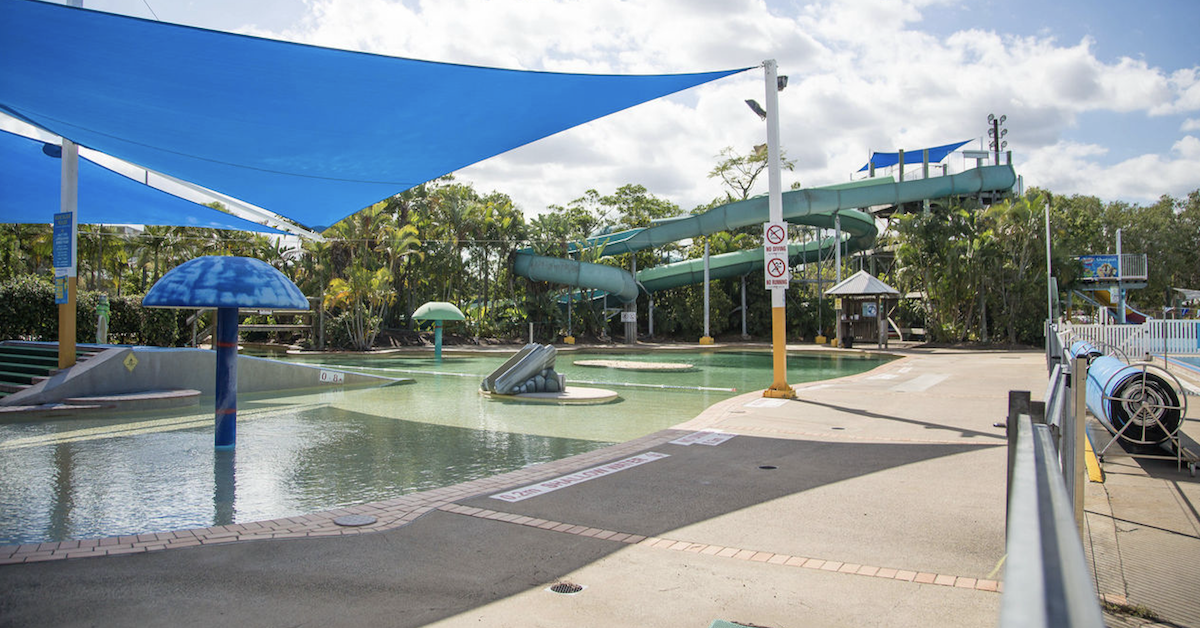
The fundraiser was held at Chermside pool on Sunday, 12 July, with participants diving into winter water made colder by additional bags of ice.
The event formed part of the Law Enforcement Torch Run, an international initiative that raises funds and awareness for Special Olympics athletes living with intellectual disabilities. Queensland Police Service officers and recruits took part alongside Australian Federal Police personnel, members of the Pacific Police Support Group, athletes and community teams.
Sergeant Brett Price, founder and president of Law Enforcement Torch Run Queensland, said the event was intended to support Special Olympics athletes, raise funds and strengthen connections between police and the community.
Photo Credit: Australian Federal Police/Facebook
The AFP’s Northern Command joined QPS for the plunge, with participants drawn from sworn and professional roles. They included members of the executive team, ACCCE, CACTF and K9, as well as Protective Service Officer recruits and trainers.
Police officers from across the Pacific also participated through the Pacific Police Support Group. The group brings officers from across the Pacific to live and train in Brisbane.
Among those entering the water were Sergeant Courtney Russell and her son Slade, a Special Olympics athlete and basketballer. Community teams also participated in the plunge.
Photo Credit: Australian Federal Police/Facebook
Uniforms and Television-Inspired Costumes
Some AFP personnel completed the challenge in uniform, while others wore costumes based on Detective Andy Sipowicz from the television series NYPD Blue. Their outfits featured short-sleeved shirts, ties and fake moustaches.
Queensland Police recruits were also among those who entered the ice-cooled pool during the event.
Photo Credit: Australian Federal Police/Facebook
Funds Support Training and Competition
The Chermside Polar Plunge raised more than $23,500 on the day. The total made the fourth annual event the most successful edition held so far.
The money will help Special Olympics athletes access training and competition opportunities as they pursue their sporting goals. Special Olympics Australia forms part of a global movement that uses sport to promote inclusion for people with intellectual disability and/or autism.
The fundraiser also marked 100 days until the start of the Special Olympics Australia National Games in Melbourne.
Brisbane’s winter sports season is in full swing, and The Prince Charles Hospital‘s Emergency Department is treating a surge of children and adults with contact sport injuries including ankle sprains, knee injuries and concussions.
It happens every year. As the cooler months bring football codes, netball and soccer back into action, the injuries follow.
The most common injuries
Lower limb injuries, particularly to the knee and ankle, make up a significant portion of sports injury presentations at the ED. Emergency Staff Specialist Dr Faye Jordan said suspected fractures should be prioritised.
“Suspected fractures should be seen to as a priority, ideally through the local emergency department where x-rays can be used to confirm the diagnosis,” she said.
Musculoskeletal injuries respond better to early assessment. Playing through pain risks a minor problem becoming a season-ending one.
When a head knock happens
Concussion is one of the most common injuries managed by the ED and requires careful attention from the moment it happens. The rule is simple: any knock to the head means off the field, no exceptions, until a proper medical assessment has been done and the child is specifically cleared to return.
“It’s important for parents and teachers to remember the single most critical step — if a child takes a knock to the head, they should come off the field immediately and not return to play until they have been properly assessed and specifically cleared to do so,” Dr Jordan said.
Headache, difficulty remembering events before or after the knock, and trouble concentrating are common signs — but not all concussions show symptoms straight away. That’s exactly why caution matters more than gut feeling.
The first 48 hours matter
A second impact before the brain has recovered can significantly worsen the original injury and extend recovery time.
Children should be removed from contact sport and physical education immediately following any head knock, not just when symptoms appear.
Reduced screen time and light exercise such as walking in the first 48 hours can speed recovery. Dr. Jordan warns that players should strictly avoid returning to sport prematurely to prevent secondary reinjury.
Reducing injury risks
Regular training helps young athletes build the skills and physical resilience needed to reduce injury risk.
Beyond that, Dr Jordan’s advice is straightforward: warm up properly, wear correctly fitted protective equipment including mouthguards and headgear, and come off the field if something hurts rather than pushing through and turning a minor issue into a significant one.
Knowing where to seek help
The Prince Charles Hospital Emergency Department is at Rode Road, Chermside, and handles urgent and critical presentations.
For injuries that need attention but are not an emergency, GPs, urgent care clinics, Satellite Health Centres and the Virtual Emergency Care Service are all faster and more appropriate options. Health advice is available around the clock by calling 13 HEALTH (13 43 25 84).
A development application lodged for 10–18 Kelso Street in Chermside is seeking approval for two residential towers reaching 15 storeys, proposing 193 apartments across a 3,035-square-metre site in one of Brisbane’s northside growth corridors.
The application replaces an earlier approved 10-storey build-to-rent scheme and represents a substantially redesigned approach to a site that has attracted developer attention for several years.
From one tower to two
Brisbane-based firm NMDS Architecture has designed the revised scheme, splitting what was previously a single building mass into two articulated towers connected by a landscaped podium.
Photo Credit: DA A007025371
The change follows a formal pre-lodgement process in which planners raised concerns about building bulk, podium parking, streetscape presentation and residential amenity.
The applicant responded by removing all above-ground parking, sinking three basement levels to accommodate 282 car spaces, increasing rear setbacks and introducing a dedicated pedestrian lobby.
Photo Credit: DA A007025371
The result is a design the applicant argues substantially reduces perceived bulk while improving access to natural light, breezes and privacy for future residents.
What’s planned for the site
The 193 apartments span a mix of one, two and three-bedroom configurations, with 41 one-bedroom units, 124 two-bedroom units and 28 three-bedroom units. Town planners Urbicus describe the mix as targeting first home buyers, families and downsizers across all demographic groups.
Photo Credit: DA A007025371
Resident amenity across the development includes a swimming pool and spa, gymnasium, steam room, sauna, wellness space, co-working area and landscaped communal open space.
Deep planting runs across all site boundaries, and a single vehicle crossover to Kelso Street serves the three basement car park levels. The application also proposes 1.5 metres of road widening and indented on-street parking along the street frontage.
Photo Credit: DA A007025371
A well-serviced site with a development history
The Kelso Street site sits roughly 300 metres west of Westfield Chermside and 60 metres north of The Prince Charles Hospital, placing it within easy walking distance of the suburb’s primary retail, health and transport infrastructure. The Chermside bus interchange, which provides direct services to the Brisbane CBD, is also nearby.
The site carries an HDR2 High Density Residential Zone, which permits buildings up to 15 storeys, and falls within the Chermside Centre Neighbourhood Plan. The new application, lodged in May 2026 under reference A007025371, is subject to assessment and no decision has yet been made.
Landscape architecture for the project is being handled by AS Design, with town planning by Urbicus.
Most people don’t give much thought to diagnostic imaging until the day their doctor says, “I’d like you to have a scan.”
For Sarah*, what began as persistent shoulder pain after a weekend of gardening ended with a referral from her GP. The doctor suspected more than a simple strain and recommended an X-ray, with the possibility of an MRI if further investigation was needed.
Like many patients, Sarah’s questions came almost immediately. Where do I go? How long will I have to wait? Will Medicare cover it? And if I need more than one type of scan, will I have to travel to different clinics?
Sarah’s experience is far from unusual. According to the Australian Institute of Health and Welfare, more than 10 million Australians—almost two in five people—received over 27 million Medicare-subsidised diagnostic imaging services in 2022–23, highlighting the important role imaging plays in diagnosing injuries, illnesses and ongoing health conditions.
For many patients, the clinic isn’t somewhere they ever expect to visit—it’s somewhere they hope they’ll never need. But when that referral does arrive, having quality diagnostic imaging available close to home can make an already stressful experience a little easier.
Now, residents across Brisbane’s north have another local option, with RRD Imaging opening a comprehensive diagnostic imaging clinic at The Village Carseldine.
More Than Just a Scan
Diagnostic imaging often provides the missing piece of the puzzle between symptoms and treatment.
Whether it’s investigating persistent pain, confirming a fracture, assessing a sporting injury, screening for breast cancer, monitoring bone health or examining internal organs, imaging helps doctors make informed decisions about what should happen next.
While patients often think of “getting a scan” as a single appointment, the reality can be more complicated. Depending on what’s being investigated, a doctor may require different types of imaging, each designed to answer different clinical questions.
One Referral, One Location
For Sarah, the possibility of needing both an X-ray and an MRI raised another concern.
Would she need to visit multiple providers?
It’s a situation many patients encounter. Depending on the provider, not every imaging service is available at every location. More specialised examinations such as MRI, bone density (DEXA), mammography or dental cone beam CT (CBCT) may require appointments at different facilities.
The new Carseldine clinic brings these services together under one roof, offering MRI, CT, ultrasound, X-ray, mammography, bone density scanning, orthopantomogram (OPG), CBCT, lung cancer screening and selected image-guided procedures.
For patients, that can mean fewer bookings, less travelling between different facilities and a simpler experience when more than one type of examination is required.
“RRD Imaging Carseldine has been purpose-built to provide residents of Brisbane’s northside with access to advanced diagnostic imaging technology comparable to that available in major metropolitan hospitals,” the RRD Imaging Lead Radiologist said.
“Our equipment has been selected to deliver high-quality diagnostic imaging while incorporating features designed to improve patient comfort, reduce scan times and support accurate diagnoses.
“By bringing these services together in a modern, community-based setting, patients and referring practitioners can access high-quality diagnostic care closer to home without the need to travel significant distances.”
Faster Answers Can Mean Faster Treatment
For many patients, the most difficult part isn’t the scan itself—it’s waiting.
Delays in diagnostic imaging can delay diagnosis and, in turn, treatment planning, particularly when doctors are trying to determine what’s causing a patient’s symptoms.
RRD Imaging’s Lead Radiologist points out that timely access had been a key consideration in designing the new clinic.
“We understand that timely access to diagnostic imaging is critical for patient care. Delays in imaging can result in delays to diagnosis and treatment.
“For this reason, our goal is to offer same-day or next-day appointments for most examinations wherever possible, helping to minimise wait times and enabling referring practitioners to make treatment decisions sooner.”
According to RRD Imaging, routine examination reports are generally provided to referring doctors within 24 to 48 hours, while urgent examinations may be prioritised and reported within two to four hours where clinically appropriate. Critical findings are also communicated directly to the referring practitioner when immediate attention is required.
Affordable Access Close to Home
Cost is another question many patients ask after receiving a referral.
Affordability is also a priority.
“At RRD Imaging, we are committed to making high-quality diagnostic imaging accessible, affordable and convenient for the community. We will bulk bill the vast majority of Medicare-eligible examinations where clinically appropriate.”
For services that do attract a gap payment, patients can generally expect out-of-pocket costs of around $20 to $150, depending on the examination, with fee information provided upfront before appointments so there are no surprises.
Another Piece of the Healthcare Puzzle
Sarah’s story is fictional, but the journey is one many people will recognise.
Whether it’s a child who falls off a bike, an athlete recovering from injury, someone attending a routine breast screen or pre-natal imaging, or an older person investigating osteoporosis, diagnostic imaging is often the next step after a visit to the doctor.
As Brisbane’s northern suburbs continue to grow, so too does the need for healthcare services closer to where people live. The arrival of a comprehensive imaging clinic in Carseldine adds another option for local patients and referring doctors—bringing a broad range of imaging services, same-day or next-day appointments for many examinations where possible, bulk billing for the vast majority of Medicare-eligible examinations where clinically appropriate, and the convenience of having multiple diagnostic services available under one roof.
Planning Your Visit
RRD Imaging Carseldine
RRD Imaging’s Carseldine clinic offers a comprehensive range of diagnostic imaging services, including:
MRI
CT
Ultrasound
X-ray
Mammography
Echocardiogram
Bone Density (DEXA)
Orthopantomogram (OPG)
Cone Beam CT (CBCT)
Lung Cancer Screening
Image-guided procedures
Patients can also expect:
Same-day or next-day appointments for many examinations where possible
Modern diagnostic imaging equipment
An experienced imaging team
Bulk billing for the vast majority of Medicare-eligible examinations where clinically appropriate
WorkCover, Department of Veterans’ Affairs (DVA) and a wide range of insurance referrals accepted
Community-focused care close to home
RRD Imaging Carseldine officially opens on 1 July at Level 1, The Village, 520 Beams Road.
Published 29-June-2026
Sarah is a fictional patient whose story has been created to illustrate a common healthcare journey.This article contains information and imagery supplied by the clinic.RRD Imaging is a Proud Promotional Partner of Brisbane Suburbs Online News.
A resilient Chermside local has proven that a simple daily routine of pulling weeds and eating a hearty breakfast is the surprising formula for reaching the rare milestone of 101 years of age.
After taking a tumble while working in her garden, the vibrant senior, Eloise, was treated at The Prince Charles Hospital before moving into Anglicare St Martin’s this week to begin her next chapter. She celebrated her latest birthday milestone surrounded by a mix of long-time friends, new acquaintances, and the hospital medical staff who aided her recovery. Eloise remains in excellent health and has seamlessly settled into her new care facility, which she now calls home.
The secret to such a long life goes beyond simple luck, with Eloise attributing her health to a lifetime of hard work and a commitment to exploring the globe. She spent many years travelling overseas with her husband, taking memorable trips to destinations like Russia, Austria, Switzerland, and Italy.
At home, she prefers to stay active by pottering around the yard and removing weeds. She also insists that her daily routine of taking vitamin supplements and eating a substantial breakfast gives her the necessary energy to keep going.
Medical professionals agree that these consistent lifestyle choices make a massive difference in how we age. Dr Lucy Dakin, a geriatrician from the local hospital who attended the birthday celebrations, explained that reaching such an advanced age requires a mix of good genetics and dedicated self-care.
She noted that people who live for a century often share common traits, such as walking regularly, maintaining a clear sense of purpose, and practising gratitude daily. The doctor added that staying curious about the world, much like Eloise did through her travels and hobbies, is a key factor in keeping the mind sharp.
While reaching a century of life is still quite rare for the average person, medical teams are seeing a shift in the local wards. Dr Dakin observed that the number of centenarians is growing due to the generally ageing population. It is becoming increasingly common for patients in their hundreds to successfully recover from hospital visits and return to their normal lives. Because of this trend, doctors are highly focussed on promoting healthy diets, exercise, and strong social networks to give older patients the best chance of staying happy and healthy well into their hundreds.